US-Based Supplement Manufacturing  ·  FDA-Registered & GMP Certified  ·  8–12 Week Lead Times
FDA Registered SQF Ed. 9 Halal & Kosher 30 Years CDMO
0%

Demand for convenient nutrition is reshaping global supplement production. Grand View Research valued the global dietary supplements market at approximately USD 177.5 billion in 2023, with continued growth expected through 2030. The report highlights rising interest in functional nutrition, sports supplements, and convenient delivery formats. Stick packs fit this shift neatly. They are lightweight, portable, and easy to portion.

Yet attractive packaging is not enough. The best Stick Pack Supplement Manufacturing partners combine formulation knowledge with disciplined production controls. They verify powder flow, moisture protection, fill-weight accuracy, and seal strength. A reliable factory should also maintain traceable batch records, validated cleaning procedures, and laboratory testing for identity and microbiological quality. These practices align with FDA dietary supplement cGMP requirements under 21 CFR Part 111.

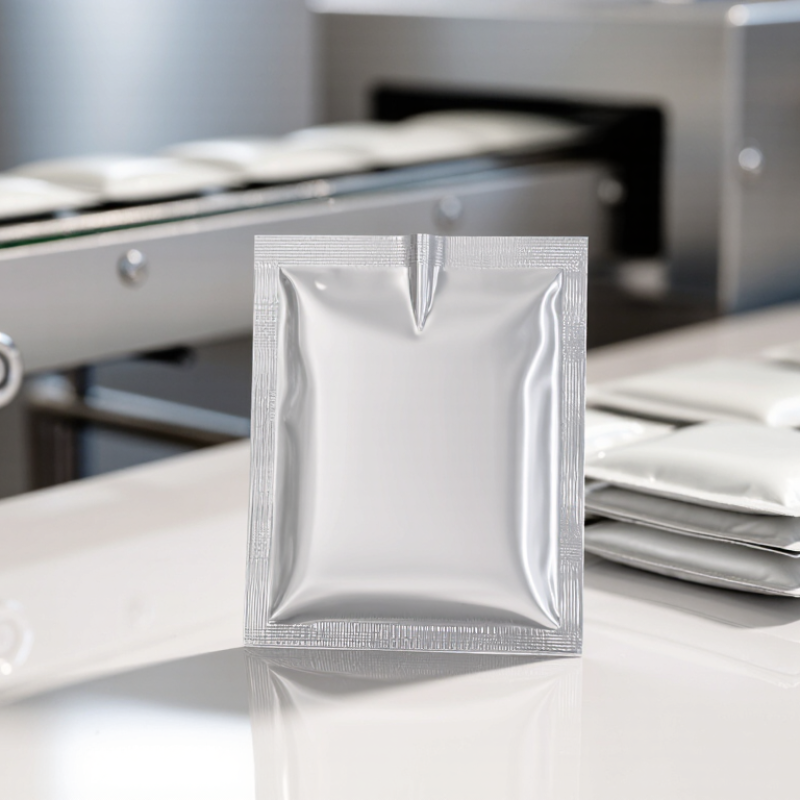
Walter Landor, a respected branding and packaging expert, said, “Packaging is the product.” His observation remains practical here. A stick pack must protect the powder and communicate trust within seconds. The seal should feel firm. The tear notch should open cleanly. The printed lot code should remain readable.

PMMI’s packaging industry research also points toward automation, flexible formats, and improved production efficiency. However, efficiency can create blind spots. Faster lines do not automatically mean better supplements. Human review still matters. A slightly uneven fill, weak seal, or confusing label can damage customer confidence.

This guide examines China’s leading manufacturing capabilities through an E-E-A-T lens. It considers factory experience, technical expertise, quality evidence, and transparent communication. Certifications matter. So do audit results, sample testing, and honest answers about limitations. The strongest supplier may not promise perfection. It should show how problems are detected, documented, and corrected.

Best Stick Pack Supplement Manufacturing in China

Stick Pack Supplement Manufacturing in China: Industry Overview

China’s stick pack supplement manufacturing sector is shaped by rising demand for convenient, single-use nutrition formats. Grand View Research valued the global dietary supplements market at approximately USD 177.5 billion in 2023. It also projects a 7.3% compound annual growth rate through 2030. This growth supports Chinese factories investing in sachet filling, automated inspection, and flexible packaging lines.

Production quality depends on more than fast output. Powder flow, humidity control, and fill-weight accuracy require daily monitoring. A typical line may combine auger filling, heat sealing, metal detection, and batch coding. High-barrier laminate helps protect probiotics, minerals, and powdered beverages from moisture and oxygen. According to PMMI packaging research, automation and flexible formats remain major priorities for packaged goods manufacturers. Details matter.

Reliable suppliers should provide documented raw-material checks, in-process testing, and finished-product certificates. Facilities following recognized GMP principles can improve traceability from incoming powder to sealed carton. Applicable Chinese food-safety standards and destination-market requirements must be reviewed separately. One weakness remains: some factories present impressive equipment but offer limited stability data. Buyers should request accelerated shelf-life results, seal-strength records, and retained samples before approving production. Audits should include the warehouse, not only the showroom.

Key Materials and Formulation Options for Stick Pack Supplements

Choosing the right stick pack material begins with the supplement’s sensitivity, not appearance. Powders containing probiotics, vitamins, or minerals may require strong protection from moisture and oxygen. A PET, aluminum, and PE laminate offers reliable barrier performance and sealing strength. It suits highly hygroscopic formulas.

Mono-PE structures can improve recyclability, but their barrier performance may differ. Paper-based laminates provide a natural appearance, yet they need careful testing for moisture resistance. The seal must withstand filling, transport, and repeated handling. Small leaks can damage an otherwise stable product.

Formulation affects packaging performance as much as the film itself. Fine powders may bridge inside the hopper, while coarse granules can separate during filling. Flow agents may improve dosing, but excessive use can affect texture or regulatory review. Flavor systems, sweeteners, acids, and mineral salts should be checked for compatibility. Some ingredients absorb moisture quickly. Keep them dry.

Short trials matter.

In practical Chinese manufacturing, teams usually evaluate bulk density, particle size, water activity, and filling accuracy before scale-up. Accelerated stability testing can reveal caking, color changes, or flavor loss. One formula may perform well in a laboratory pouch but fail on a high-speed line. That gap deserves attention. Clear specifications, batch records, incoming material checks, and finished-pack testing support reliable production. Exact material selection should follow the formula, target shelf life, filling equipment, and applicable market requirements.

Best Stick Pack Supplement Manufacturing in China - Key Materials and Formulation Options for Stick Pack Supplements
Material or Formulation Component Primary Function Common Formulation Range Suitable Product Formats Key Manufacturing Considerations Moisture and Stability Profile Stick Pack and Quality-Control Notes
Ascorbic Acid Vitamin C source; supports antioxidant and immune-health formulations. Typically 50–1,000 mg per serving, depending on the intended nutritional claim and serving size. Powdered drink mixes, effervescent-style powders, immune-support blends. Acidic and hygroscopic; should be blended under controlled humidity and protected from prolonged heat exposure. Moderate sensitivity to moisture, oxygen, light, and elevated temperature. High-barrier laminate is generally preferred. Test assay, appearance, flowability, and finished-product moisture.
Magnesium Salts Provides magnesium for mineral and relaxation-oriented formulations. Amount varies by salt and target elemental magnesium level; commonly formulated to provide approximately 50–200 mg elemental magnesium per serving. Mineral powders, sleep-support blends, electrolyte products. Different salts vary in solubility, taste, bulk density, and elemental-magnesium content. The elemental amount must be calculated from the supplier specification. Some forms are moisture-sensitive and may affect powder flow or cause clumping. Verify elemental mineral content, identity, heavy metals, microbiological quality, and dissolution or dispersibility.
Electrolyte Salts Provides sodium, potassium, chloride, and related minerals for hydration formulas. Commonly designed around a defined electrolyte target rather than a fixed raw-material weight; sodium and potassium levels should be calculated from the selected salts. Hydration powders, sports nutrition mixes, travel sachets. Salt concentration strongly affects taste, osmolality, bulk density, and fill weight. Flavor masking may be required. Generally stable, but salts can absorb moisture and increase caking risk. Use moisture-barrier packaging and confirm net weight, mineral assay, blend uniformity, and dissolution time.
Creatine Monohydrate Sports-nutrition ingredient commonly used in performance and recovery products. Often 3–5 g per serving in conventional powder products. Single-serve sports powders, unflavored drink mixes, flavored performance formulas. Requires a relatively large fill volume. Particle size and bulk density influence stick-pack dimensions and dosing accuracy. Stable as a dry powder when protected from humidity; conversion to creatinine is more relevant after dissolution and under certain conditions. Check identity, assay, particle-size distribution, moisture, microbiological quality, and blend uniformity.
Inulin or Soluble Fiber Adds dietary fiber and body to powdered beverage formulations. Commonly 2–10 g per serving, subject to the selected fiber source and local labeling requirements. Prebiotic powders, fiber drinks, satiety blends, nutritional shakes. Higher inclusion levels increase fill volume and may require larger or wider stick packs. Viscosity and mouthfeel should be evaluated after reconstitution. Usually stable when dry, but moisture uptake can cause compaction and reduced flow. Confirm fiber content, water activity, microbiological limits, dispersibility, and serving-size accuracy.
Psyllium Husk Powder Provides viscous soluble fiber and water-binding functionality. Often 3–7 g per serving in fiber products, depending on the product concept and serving instructions. Fiber sachets, digestive-health powders, drink-mix products. Very high water absorption can cause rapid thickening. Clear preparation instructions and adequate mixing performance are important. Moisture-sensitive; exposure to humidity may reduce flowability and increase clumping. Use a suitable high-barrier pack, evaluate seal integrity, and test viscosity, dispersibility, foreign matter, and microbial quality.
Protein Powder Supplies dietary protein for sports, meal-support, and nutrition formulations. Commonly 10–30 g per serving, depending on protein type and product positioning. Protein drink powders, meal-support formulas, post-exercise products. Large serving sizes may require wide or multi-lane stick formats. Flavor, foaming, solubility, and sedimentation should be assessed. Can be sensitive to moisture, heat, oxidation, and unfavorable storage conditions. Check protein assay, amino-acid profile where applicable, moisture, microbiology, solubility, and allergen controls.
Maltodextrin Carrier, bulking agent, drying aid, and flow-support ingredient. Commonly 10–70% of a powdered blend, depending on active load, sweetness, and target fill weight. Vitamin powders, botanical blends, flavored drink mixes, spray-dried ingredients. Usually improves powder handling, but the dextrose equivalent and particle size affect sweetness, hygroscopicity, and flow. Can absorb moisture depending on grade and storage conditions. Confirm source, specification, moisture, particle size, bulk density, and compatibility with the active ingredients.
Erythritol Low-calorie bulking sweetener with a cooling sensation. Often 20–80% of a reduced-sugar powder blend, depending on sweetness intensity and desired mouthfeel. Low-sugar drink mixes, electrolyte powders, vitamin beverages. May crystallize or produce a cooling effect. Particle size and blending order influence uniformity and sensory performance. Generally stable as a dry solid, but the finished blend may still be moisture-sensitive. Evaluate sweetness, cooling sensation, dissolution, bulk density, and stick-pack fill consistency.
Steviol Glycosides High-intensity plant-derived sweetener used to reduce sugar content. Usually used at low milligram levels, commonly approximately 50–300 mg per serving depending on purity and target sweetness. Reduced-sugar beverage powders, botanical blends, functional drink mixes. Requires accurate micro-dosing and thorough premixing because of the low use level. Bitterness or licorice-like notes may require flavor balancing. Dry-powder stability is generally good when protected from moisture and excessive heat. Verify identity, purity, sweetness equivalence, blend uniformity, and applicable regulatory limits.
Natural or Nature-Identical Flavors Improves palatability and masks mineral, botanical, acidic, or protein notes. Commonly approximately 0.2–3.0% of the powder blend, depending on flavor strength and format. Fruit drink powders, electrolyte mixes, vitamin formulas, protein products. Flavor selection should account for pH, sweetener system, mineral load, color, and expected shelf life. Some flavor systems are sensitive to oxygen, light, and moisture; encapsulated formats may improve stability. Conduct sensory, stability, allergen, and compatibility testing in the final formula rather than relying only on the flavor specification.
Silicon Dioxide Flow aid that can reduce caking and improve powder movement through filling equipment. Often approximately 0.1–1.0% of the blend, subject to local regulations and technical requirements. Mineral blends, botanical powders, hygroscopic vitamin formulations. Overuse can affect mouthfeel and appearance. The correct grade and mixing sequence are important. Helps manage flow but does not replace moisture-barrier packaging. Confirm permitted use level, particle characteristics, dispersion, and finished-product flowability.
Botanical Extracts Provides standardized or non-standardized plant-derived actives for functional formulations. Highly variable, commonly from approximately 50 mg to 1,000 mg per serving depending on extract ratio and standardization. Herbal drink powders, wellness blends, sleep-support products, beauty-oriented supplements. Extract color, odor, taste, hygroscopicity, and bulk density can vary considerably. Standardization should be defined before production. Stability depends on the plant material, extraction solvent, marker compounds, oxygen, light, and moisture. Require botanical identity, marker-compound assay, contaminant testing, pesticide controls, microbiology, and traceability.
PET/PE Laminated Film Provides printable outer support with a heat-sealable polyethylene inner layer. Film thickness is selected according to pack size, machine requirements, and barrier needs. Dry powders with moderate moisture and oxygen sensitivity. Cost-effective and suitable for many dry products, but barrier performance depends on the specific laminate construction and seal quality. Moderate barrier performance; not always sufficient for highly hygroscopic or oxidation-sensitive formulas. Validate seal strength, leak resistance, print adhesion, coefficient of friction, and storage performance.
PET/Aluminum Foil/PE Laminate High-barrier structure that protects against moisture, oxygen, and light. Selected when the formula requires stronger barrier protection rather than a fixed material percentage. Hygroscopic vitamins, probiotics, botanical extracts, oxygen-sensitive powders, and long-shelf-life products. Requires accurate heat-sealing parameters and careful handling to prevent pinholes, creasing, or channel leaks. Very strong barrier performance when properly converted and sealed. Test oxygen transmission, water-vapor transmission, seal integrity, burst strength, and accelerated stability.
Paper-Based Laminate Adds a paper appearance while retaining a heat-sealable inner layer and selected barrier layers. Material construction varies according to appearance, barrier, recyclability, and machine requirements. Dry, relatively stable powders where appearance and material positioning are priorities. Paper layers can affect stiffness, folding, print appearance, and sealing behavior. Moisture protection must be confirmed for the complete laminate. Barrier performance varies widely by construction and may be lower than foil-based structures. Confirm food-contact compliance, seal performance, recyclability claims, print rub resistance, and shelf-life suitability.
Stick Pack Filling and Sealing Controls dose accuracy, pack appearance, product protection, and production efficiency. Fill weight is determined by serving size, powder density, stick dimensions, and equipment capability. Single-serve powders, travel supplements, direct-to-mouth powders, and reconstitutable beverages. Powder flow, electrostatic behavior, particle-size distribution, and humidity directly affect dosing and sealing. Controlled-room conditions help limit moisture pickup during filling. Key checks include fill-weight variation, seal integrity, metal detection, code legibility, line clearance, and finished-product inspection.

Step-by-Step Manufacturing Process for Supplement Stick Packs

Best Stick Pack Supplement Manufacturing in China requires a controlled, documented process from raw materials to packed units. The step-by-step manufacturing process for supplement stick packs starts with approved ingredient suppliers. Each material is checked for identity, purity, moisture, and contamination risks. Samples are tested before release. This prevents an attractive formula from hiding a weak batch.

Technicians weigh ingredients in a controlled room, following the approved formula. Dry materials pass through sieving to break lumps and improve flow. A high-shear or geometric mixer then creates a uniform blend. Mixing time matters. Too little mixing causes uneven dosage, while excessive mixing may damage sensitive ingredients. Operators record every adjustment, because production rarely goes perfectly.

The blend moves to a stick pack machine. Film tension, filling speed, sealing temperature, and cutting accuracy need constant monitoring. In-process checks measure weight, seal strength, appearance, and leak resistance. Operators should inspect samples at regular intervals, not only at the end. Small errors happen. A slightly weak seal can expose powder to humidity. Finished packs undergo laboratory testing and packaging-line clearance before release. Batch codes support traceability, while retained samples help investigate future complaints. A final label review checks ingredients, serving size, warnings, and storage instructions against approved specifications.

Quality Control and Regulatory Compliance in Chinese Production

Best Stick Pack Supplement Manufacturing in China

Quality control begins before powder enters the stick pack. Chinese manufacturers should qualify raw material suppliers, verify incoming identity, and review each certificate of analysis. Testing may include microbiology, heavy metals, allergens, moisture, and active ingredient strength. Samples should be retained from every production batch. This creates evidence when questions arise later. It also exposes a common weakness: paperwork can look complete while sampling remains too limited.

Reliable facilities normally operate under documented GMP procedures and maintain controlled production areas. Operators should check weighing records, line clearance, blending uniformity, and seal integrity. Small leaks can damage powders during shipping. In-process checks should confirm fill weight at defined intervals. Finished products require laboratory release testing, packaging inspection, and traceable batch coding. A clear recall procedure matters. It should identify affected materials quickly.

Regulatory compliance depends on the destination market, not only the factory location. Label claims, ingredient limits, allergen declarations, and required notifications must be reviewed for each country. A qualified compliance team can compare the formula with current regulations and preserve approval records. Independent testing can strengthen confidence, especially for new suppliers. Still, no audit guarantees perfect production. Human error, changing rules, and rushed shipments can create gaps. Regular supplier reviews, corrective actions, and honest investigation are more dependable than attractive certificates alone.

Best Stick Pack Supplement Manufacturing in China: Quality Control and Regulatory Compliance

The chart shows the effective year of selected Chinese national food and health-food standards commonly reviewed during stick pack supplement production. These standards cover food additives, general hygiene practices, product labeling, nutrition claims, and health-food requirements. The applicable requirements depend on the product category, formulation, claims, and intended market.

How to Select the Best Stick Pack Supplement Manufacturer in China

Best Stick Pack Supplement Manufacturing in China

How to Select the Best Stick Pack Supplement Manufacturer in China

Selecting a reliable stick pack supplement manufacturer requires more than comparing prices. Experienced buyers examine production systems, quality records, and communication habits. Ask how the facility handles raw material testing, weighing, blending, filling, and final inspection. A professional manufacturer should provide current quality certifications and explain their testing scope clearly. Verify certificate dates and relevant production categories. This step is often skipped.

Evaluate physical samples carefully. Check powder flow, taste consistency, pack dimensions, seal strength, and print accuracy. Request batch records and certificates of analysis for key ingredients. Stability testing is also important, especially when products face heat or humidity during shipping. If possible, arrange a factory audit. Observe hygiene controls, equipment maintenance, worker training, and traceability procedures. A polished showroom proves little. Real production discipline matters more. I would not depend on photographs alone.

Tips: Compare at least three qualified manufacturers. Begin with a controlled pilot order. Clarify minimum quantities, lead times, packaging materials, and revision costs in writing. Ask how complaints and rejected batches are handled. Keep communication records. An imperfect trial may reveal weak controls early, but that lesson can protect future production. Ensure every formula, label, and claim meets the laws of the intended market.

FAQS

Why are stick pack supplements popular?

They offer convenient, single-use portions for travel, work, and daily routines. Each narrow sachet can hold powder without requiring a scoop. Convenience drives demand.

What quality controls matter during production?

Factories should monitor powder flow, humidity, fill weight, sealing, metal detection, and batch coding. Daily checks help prevent underfilled or leaking packs. Details matter.

Which packaging materials protect sensitive powders?

PET, aluminum, and PE laminates provide strong protection from moisture and oxygen. They suit probiotics, minerals, and highly hygroscopic formulas. Keep powders dry.

Are recyclable mono-material packs always suitable?

Mono-PE structures may improve recyclability, but their barrier performance can differ. Testing should confirm moisture resistance, sealing strength, and shelf-life needs. Appearance is not enough.

How can a manufacturer test formulation compatibility?

Teams should evaluate bulk density, particle size, water activity, and filling accuracy. They should also check flavor systems, sweeteners, acids, and mineral salts. Short trials matter.

What documents should buyers request?

Request raw-material checks, batch records, certificates of analysis, stability data, seal-strength records, and retained samples. These documents improve traceability. Some suppliers provide less data than expected.

How should buyers inspect a potential factory?

Visit the warehouse, production area, testing room, and finished-goods section. Observe hygiene, equipment maintenance, worker training, and traceability. A showroom can mislead.

How can buyers reduce manufacturing risks?

Compare at least three qualified manufacturers and begin with a controlled pilot order. Confirm quantities, lead times, materials, and revision costs in writing. An imperfect trial can reveal weak controls early.

Conclusion

Stick Pack Supplement Manufacturing in China has developed into a flexible and efficient solution for producing convenient, portable nutrition products. Manufacturers can work with materials such as powders, granules, fibers, vitamins, minerals, and botanical ingredients, while offering formulation options tailored to taste, solubility, serving size, and packaging requirements. The process generally includes ingredient sourcing, weighing, blending, stick pack forming, filling, sealing, coding, inspection, and final packing.

Reliable production depends on strict quality control and regulatory compliance throughout every stage. Key measures include raw material verification, batch testing, hygiene management, weight accuracy checks, seal integrity testing, and traceable documentation. When selecting a manufacturer, buyers should evaluate production capabilities, formulation support, quality systems, communication, minimum order quantities, lead times, packaging flexibility, and experience with international compliance requirements. A suitable partner should provide transparent processes, consistent product quality, and practical support from initial concept through commercial production.

Amelia

Amelia

Amelia is a seasoned marketing professional with a strong understanding of product strategy, customer needs, and digital communication. As a key member of the company’s marketing team, she combines market insight with practical product knowledge to create clear, useful, and engaging content for a......