US-Based Supplement Manufacturing  ·  FDA-Registered & GMP Certified  ·  8–12 Week Lead Times
FDA Registered SQF Ed. 9 Halal & Kosher 30 Years CDMO
Springville, Utah · FDA-Registered Plant

Precision HPMC Vegetable Capsule Manufacturing & Contract CDMO

Engineered for clean-label, plant-based supplement brands. Zero cross-linking risk, 4–6% moisture equilibrium for hygroscopic powders, TiO2-free options, and 90-day concept-to-shelf delivery.

21 CFR Part 111 cGMP SQF Ed. 9 Certified Non-GMO, Halal & Kosher

HPMC Technical Performance Matrix

0-6%
Moisture Content (vs 13-16% Gelatin)
0%
Cross-linking Risk with Reactive Actives
0%
Plant-Derived Hydroxypropyl Methylcellulose
0
Days Total Execution Timeline

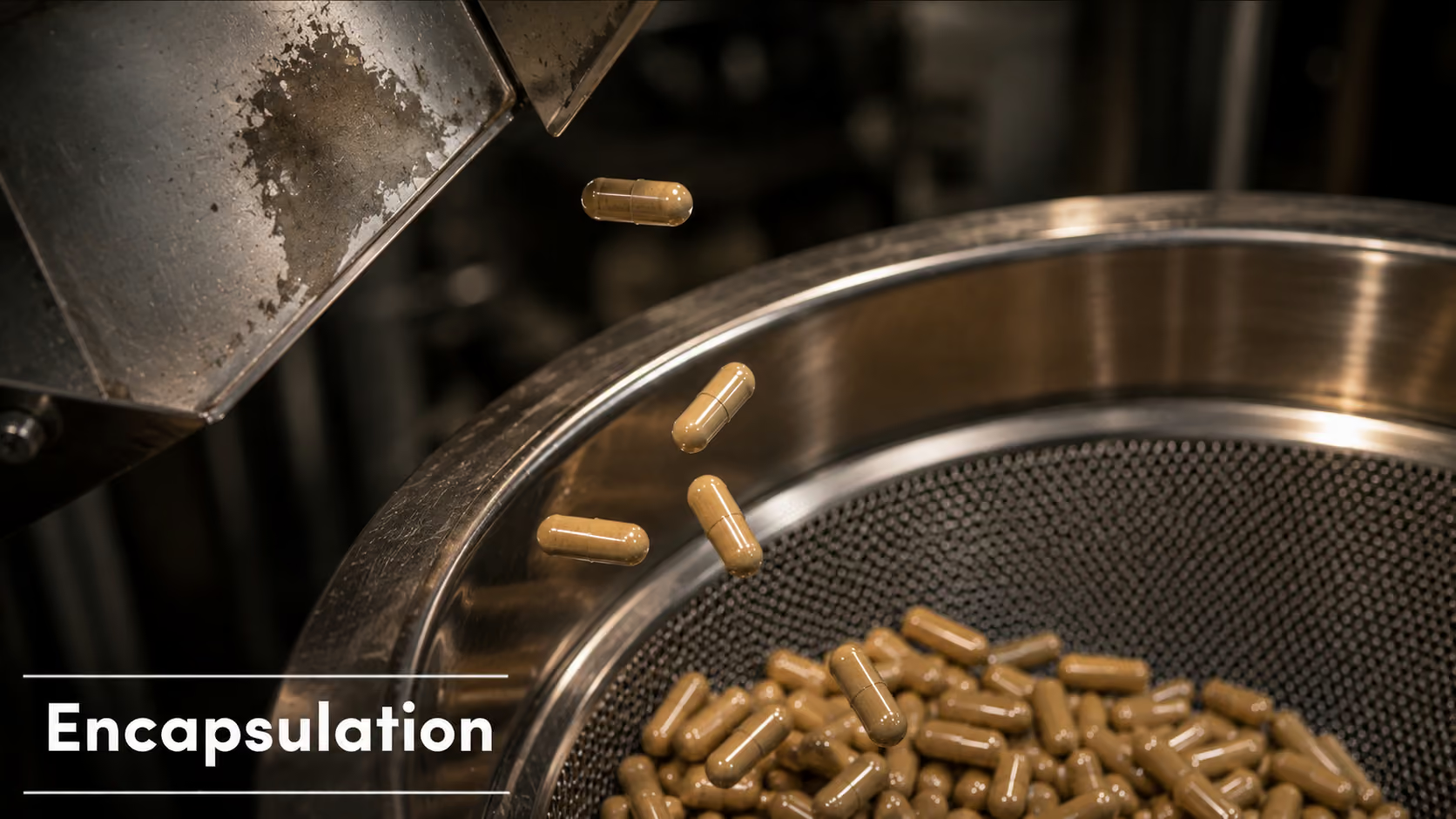
High-speed automated encapsulation with < 2.0% RSD fill weight tolerance

Acid-resistant, delayed-release HPMC for target enteric delivery

Titanium Dioxide (E171)-Free opacification with Calcium Carbonate

0 Days
R&D to Finished Retail SKU
0K
Minimum Unit MOQ for Launch
0%
Titanium Dioxide Free Compliant
0+
Years Global CDMO Expertise
FDA-Registered Utah Cleanrooms SQF Edition 9 & cGMP USP <701> Dissolution Tested USA · EU · China Integrated Vegan, Halal & Kosher
Polymer Science & Technical Advantage

Why HPMC Vegetable Capsule Manufacturing Replaced Gelatin for High-Value Formulations

The global dietary supplement market is undergoing a structural transition toward Hydroxypropyl Methylcellulose (HPMC). Beyond consumer demand for vegan and non-GMO labels, HPMC offers distinct physical and chemical stability advantages that solve the primary failure modes of animal gelatin capsules.

Low Moisture Content (4% – 6%)

Gelatin shells store 13% to 16% bound water, which migrates into hygroscopic actives (like SAMe, probiotic strains, L-carnitine, and herbal extracts), resulting in powder clumping, hydrolysis, and active degradation. HPMC capsule shells maintain a low moisture equilibrium (4%–6%), protecting hygroscopic fills from ambient water uptake.

Zero Chemical Cross-Linking

Gelatin consists of protein peptide chains that react with aldehydes, polyphenols, reducing sugars, and trace aldehydes, creating insoluble cross-linked networks that block dissolution. HPMC is an inert, non-ionic purified cellulose ether polymer. It cannot cross-link, ensuring 100% predictable USP dissolution throughout shelf life.

Thermal & Mechanical Resilience

Gelatin capsules become brittle and crack under low relative humidity (<30% RH) or high temperatures (>40°C). HPMC shells remain physically durable, flexible, and crack-resistant across extreme temperature variations and low-humidity export shipping environments, reducing transit breakage to near zero.

Understanding the Polymer Physics of Hydroxypropyl Methylcellulose (HPMC)

Hydroxypropyl Methylcellulose (Hypromellose) is prepared by reacting alkali cellulose with methyl chloride and propylene oxide. The resulting non-ionic cellulose ether contains methoxyl (-OCH3) and hydroxypropyl (-OCH2CHOHCH3) substituent groups anchored to a glucose backbone. This specific substitution pattern determines the polymer's solubility, gelation temperature, and film-forming characteristics.

In precision HPMC vegetable capsule manufacturing, two primary technologies exist: First-Generation Gelling-Agent HPMC (which uses carrageenan, gellan gum, or potassium chloride as thermo-gelling promoters) and Second-Generation Pure HPMC (manufactured via thermal gelation/solvent evaporation without secondary hydrocolloids). PAG Pharmatech utilizes advanced 2nd-Gen HPMC shell lines that deliver rapid, pH-independent dissolution matching the disintegration profile of softgel and hard gelatin shells in 0.1N HCl gastric fluid.

By selecting PAG Pharmatech as your CDMO, your brand gains access to raw polymer qualification, exact moisture equilibrium balancing, and rigorous analytical verification that satisfies FDA 21 CFR Part 111 regulations and Amazon's Dietary Supplement Verification requirements.
Product Recommendations & Shell Formats

Tailored HPMC Vegetable Capsule Solutions for Global Brands

Select the exact capsule shell specification engineered for your active formulation, regional regulatory compliance, and target consumer demographic.

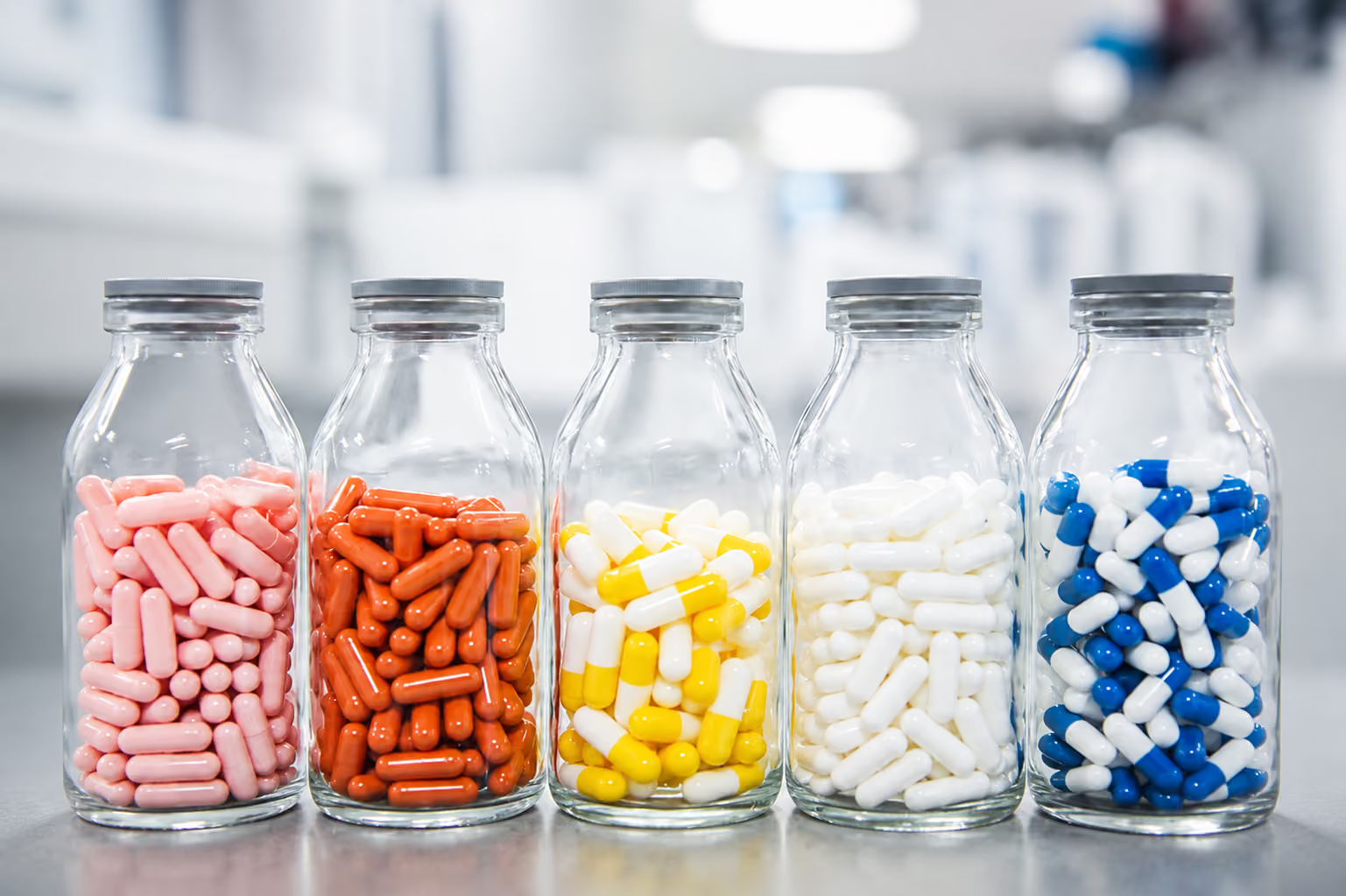
Standard Clear HPMC Vegetable Capsule Manufacturing

Standard Clear HPMC

From 5,000 Units

100% transparent plant-derived shells. Ideal for clean-label botanicals, organic powders, and vibrant natural ingredients without dyes.

Get a Quote →
Titanium Dioxide Free Opaque HPMC Capsules

TiO2-Free Opaque HPMC

From 5,000 Units

Opacified with Calcium Carbonate (CaCO3) or Zinc Oxide. Fully compliant with EU Regulation 2022/63 and global light-blocking standards.

Get a Quote →
Acid Resistant Delayed Release HPMC Capsules

Acid-Resistant DR HPMC

From 5,000 Units

Engineered to bypass stomach acid (pH 1.2) for up to 120 minutes. Formulated specifically for live probiotics, enzymes, and NAD+ precursors.

Get a Quote →
Low Moisture HPMC Capsules for Probiotics

Low-Moisture HPMC (<3.5%)

From 5,000 Units

Ultra-low moisture equilibrium (<3.5% w/w) designed for extreme moisture-sensitive actives like SAMe, L-carnitine, and high-CFU probiotics.

Get a Quote →
Custom Colored and Printed HPMC Capsules

Custom Color & Banded

From 10,000 Units

Custom pantone-matched shell colors using natural pigments (Spirulina, Chlorophyll, Beet Root) with axial or radial brand printing and liquid sealing.

Get a Quote →
Pullulan and Specialty Plant Hard Capsules

Pullulan Premium Shells

From 5,000 Units

Naturally fermented tapioca pullulan capsules offering 300x lower oxygen permeability than HPMC. Premier choice for oxygen-sensitive lipids.

Get a Quote →
Market Intelligence & Forecasting

Future Procurement & Technology Trends in Plant Capsules (2026–2030)

As global supply chains adjust to tighter chemical regulations and heightened consumer scrutiny, procurement officers must align with manufacturing partners who anticipate technical shifts.

1. Global TiO2 Removal

Following EFSA's determination that E171 lacks safety due to DNA particle accumulation, major markets (EU, UK, Switzerland, and US retail giants like Whole Foods and Target) mandate 100% Titanium Dioxide elimination. Calcium Carbonate (CaCO3) HPMC capsules are now the global standard.

2. Target Intestinal Delivery

The rise of live biotherapeutic products (probiotics, synbiotics, postbiotics) has pushed demand toward enteric-targeted HPMC capsules. In-matrix acid-resistant polymer technology bypasses the need for harsh solvent-based enteric acrylic coatings, preserving live CFU viability during encapsulation.

3. ESG & Traceable Sourcing

Global procurement teams now require strict ESG traceability for cellulose sources. Leading brands demand FSC-certified pine pulp suppliers, solvent-free etherification, and zero animal testing, supported by transparent supply chain analytical documentation.

4. High-Speed Machine Tuning

Because HPMC exhibits different mechanical elasticity than gelatin, high-speed automated filling lines (100,000+ caps/hr) require precise tamping pin profiles and environmental humidity control (40-45% RH) to prevent shell dimpling, splitting, or weight variation.

Enterprise Sourcing Confidence

Why Procurement Directors Choose PAG Pharmatech for HPMC Manufacturing

We combine technical formulation engineering, robust analytical quality control, and a tri-regional production footprint to eliminate market risk for international brand owners.

Utah FDA-Registered Plant

All US production takes place in Springville, Utah under strict 21 CFR Part 111 cGMP and SQF Edition 9 food safety standards. Equipped with ISO-Class 8 cleanrooms and real-time environmental monitoring.

90-Day Market Turnaround

Our integrated pilot-to-commercial workflow ensures pilot scale-up in 2-3 weeks, analytical testing & stability in 3-4 weeks, and cGMP batch encapsulation in 4-5 weeks, achieving market delivery in under 90 days.

Complete Quality Dossiers

Every batch ships with an extensive Certificate of Analysis (CoA) including HPLC/ICP-MS potency verification, micro-screening, heavy metals (<0.1 ppm Lead/Arsenic/Cadmium/Mercury), and allergen statements.

Global Supply Chain Redundancy

Our Utah facility serves North America; our Netherlands EU-GMP site handles European distribution; our Shenzhen location offers high-volume packaging scale. One specification set across three continents.

Manufacturing Infrastructure

State-of-the-Art Encapsulation & QC Cleanrooms

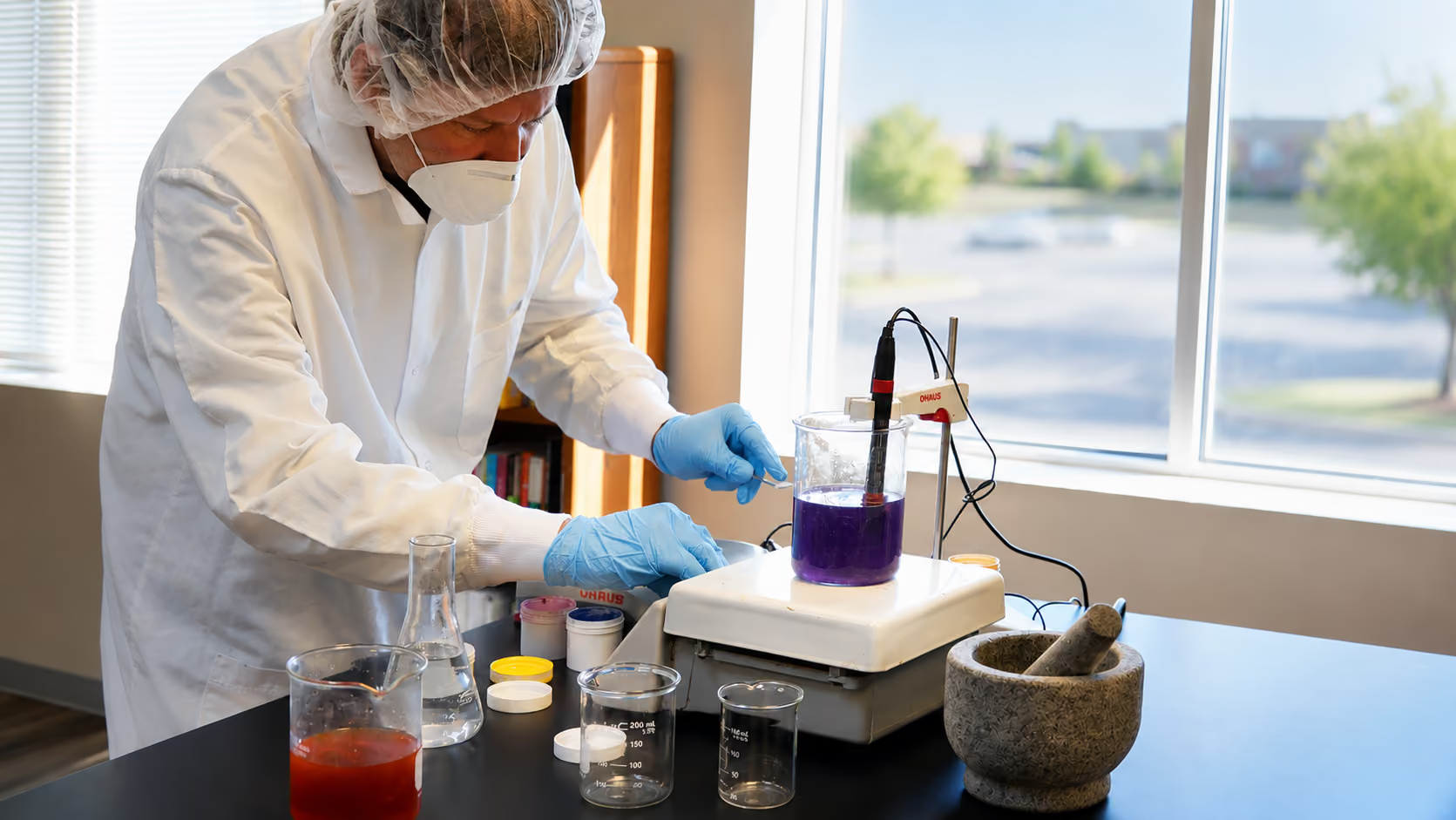
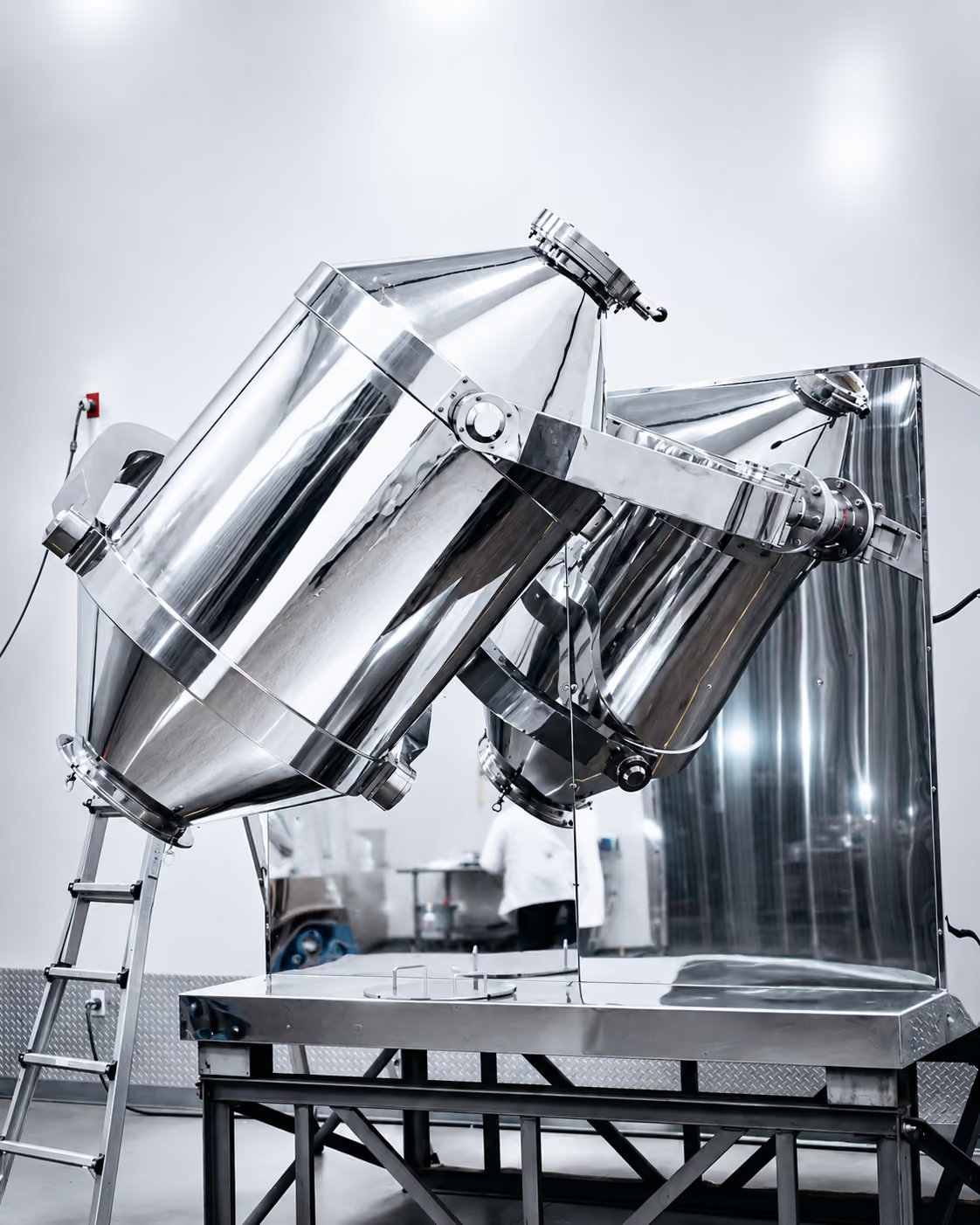
Take a visual tour inside PAG Pharmatech's Springville, Utah cGMP facility where precision HPMC encapsulation, powder blending, and testing take place under monitored climate controls.

PAG Pharmatech Springville Utah cGMP Production SuitecGMP Cleanroom Suite
High speed automated capsule encapsulation machineryAutomated Encapsulators
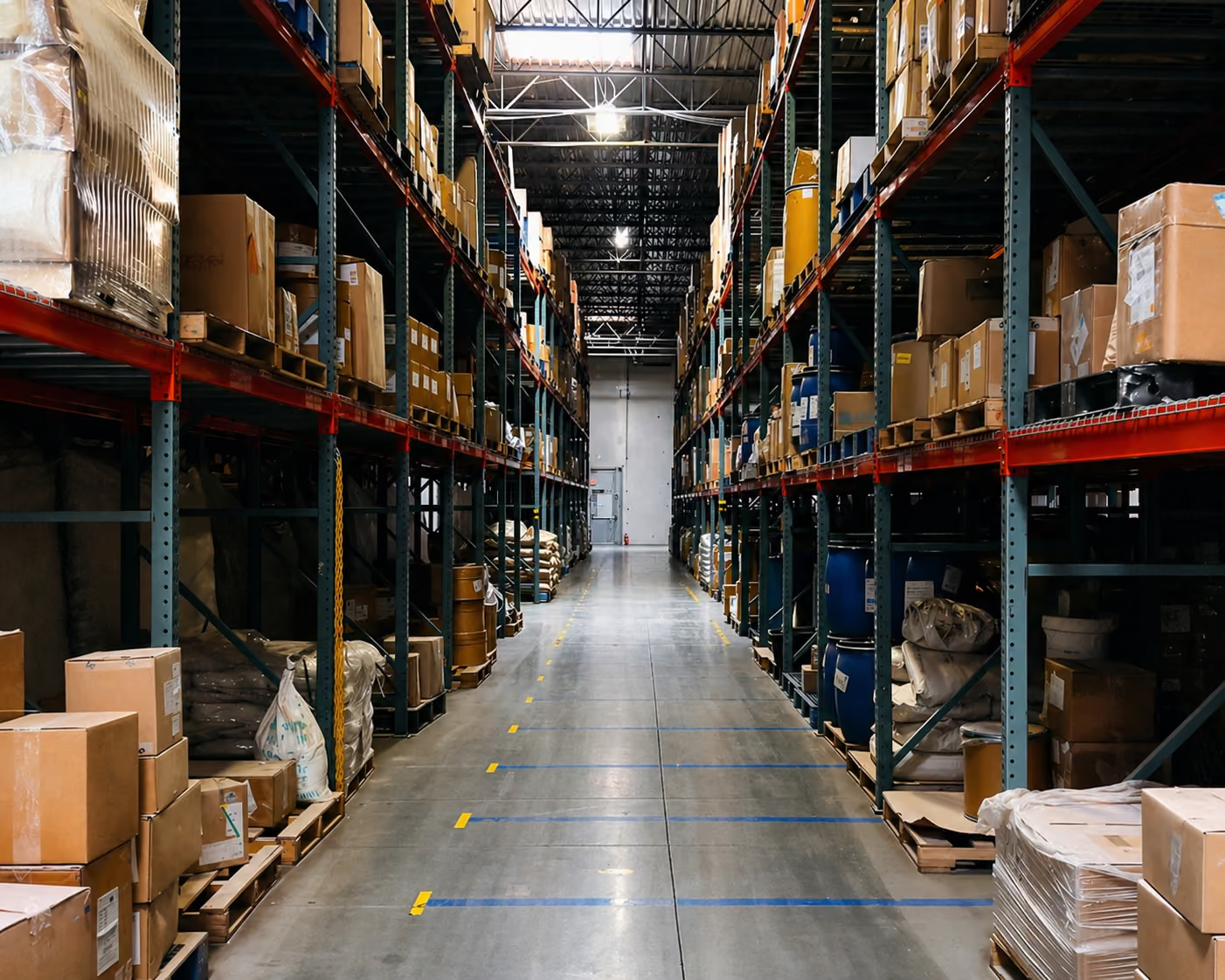
Climate-monitored raw material and capsule warehouseControlled Warehousing
On-site analytical testing laboratory for supplement potencyAnalytical QC Lab
HPMC capsule shell feeding and encapsulation lineHPMC Encapsulation Line
<2.0%

Relative standard deviation (RSD) weight uniformity engineered for precision HPMC filling.

Get a Quote
Tri-Regional CDMO Model

One Specification. Three Global Markets.

Seamlessly transfer your HPMC capsule formulas between the US, Europe, and Asia without repeating supplier qualification audits.

Springville, Utah — US Base

FDA-registered, cGMP and SQF-certified plant dedicated to US DTC brands, Amazon FBA sellers, and North American retail distribution with zero tariff risk.

Primary Production Hub

Netherlands — EU-GMP Facility

EU-GMP compliant facility engineered for European market entry. Fully aligned with Novel Food regulations, EFSA standards, and TiO2-free directives.

European Union Service

Shenzhen — Sourcing & Scale

High-volume manufacturing and direct botanical raw material sourcing center, expanding capacity and pricing leverage for enterprise clients.

Volume & Sourcing Scale
Technical Procurement Guide

HPMC Vegetable Capsule Manufacturing FAQs

In-depth technical answers to the most common questions raised by procurement officers, formulation scientists, and brand directors during supplier qualification.

Hydroxypropyl Methylcellulose (HPMC) is a purified cellulose ether derivative derived from plant fibers (wood pulp or pine cellulose). Chemically, HPMC is an inert polymer matrix containing non-ionic methyl and hydroxypropyl ether groups. In contrast, animal gelatin is a protein hydrolysate extracted from bovine or porcine collagen.

HPMC contains zero animal proteins, eliminating cross-linking reactions when exposed to aldehydes, polyphenols, or reducing sugars. Furthermore, HPMC capsules maintain structural stability at low moisture equilibrium levels (4.0% - 6.0%), whereas gelatin shells rely on structural bound water (13.0% - 16.0%) and shatter when exposed to hygroscopic formulation powders.

HPMC vegetable capsule shells have an inherent moisture content of only 4.0% to 6.0% w/w, compared to gelatin's 13.0% to 16.0% w/w. Because gelatin holds a significant amount of loosely bound water, it acts as a moisture donor to highly hygroscopic botanical extracts, SAMe, L-carnitine, and herbal powders, causing ingredient clumping, hydrolytic degradation, and loss of potency.

HPMC shells act as moisture-neutral enclosures, refusing to transfer water to sensitive active fill materials and remaining flexible even under low relative humidity packaging conditions.

Yes. Following EU Commission Regulation 2022/63 banning Titanium Dioxide (E171) as a food additive due to genotoxicity concerns, PAG Pharmatech provides 100% TiO2-free opaque and colored HPMC vegetable capsules.

We utilize clean-label opacifying technologies including Calcium Carbonate (CaCO3), Zinc Oxide, and natural mineral or botanical colorants (such as chlorophyllin, spirulina, purple carrot, and iron oxides) to achieve high opacity and light blocking without compromising regulatory compliance in Europe, North America, or Asia-Pacific.

Yes. We offer specialized enteric/delayed-release HPMC capsules engineered with acid-resistant polymers or gelling agents (such as low-viscosity gellan gum or pectin embedded directly into the HPMC matrix during shell dipping).

These capsules resist dissolution in simulated gastric fluid (pH 1.2) for up to 120 minutes under USP <701> Disintegration testing, opening and releasing active ingredients only upon reaching the higher pH environment of the small intestine (pH 6.8+). This is optimal for live probiotics, enzymes, and acid-sensitive botanicals without requiring organic solvent enteric spray coatings.

Our minimum order quantity (MOQ) for custom-formulated HPMC vegetable capsule encapsulation starts at 5,000 retail-ready units (or 100,000 bulk capsule fills). For standard clear or white HPMC capsules, production lead times average 8 to 10 weeks.

Fully custom color-matched, printed, or custom-formulated delayed-release HPMC capsule projects typically complete within 12 to 16 weeks, adhering to our core 90-day concept-to-market execution protocol.

Our Springville, Utah facility utilizes high-speed fully automated tamping-pin and dosator encapsulation machinery equipped with continuous statistical weight sensors. HPMC shells possess slightly different elastic moduli than gelatin; therefore, our engineering team optimizes powder bulk density, particle size distribution (granulation), and machine stroke depth to ensure consistent fill weights with a relative standard deviation (RSD) below 2.0%.

Every batch undergoes statistical in-process weight checks every 15 minutes and automated capsule metal detection before QA release.

Start Your HPMC Vegetable Capsule Manufacturing Project Today

Partner with a US FDA-registered, cGMP-certified CDMO that delivers precision encapsulation, TiO2-free shells, and guaranteed 90-day market execution. Contact our technical team for instant pricing.

FDA registration does not constitute FDA approval or endorsement of any finished product. Certifications are held by our FDA-registered manufacturing operation; official copies of certificates and analytical batch records are available under NDA during formal supplier qualification audits.