Springville, Utah cGMP Plant
Our US facility operates under strict 21 CFR Part 111 (Dietary Supplements) and Part 117 (Preventive Controls for Human Food) regulations, certified by SQF Edition 9 and audited by SGS.
Unlock maximum profitability, ingredient IP protection, and batch-to-batch consistency with precision tolling services. Supply your own active ingredients while leveraging our FDA-registered Utah plant, analytical laboratories, and scalable six-dosage processing platforms.
Full customer-supplied raw material identity & potency validation
Dedicated cleanrooms for non-cross-contamination guarantees
Complete batch execution records & ISO-accredited CoA package
An authoritative breakdown of toll supplement manufacturing, cost transparency, active ingredient protection, and technical validation for high-growth supplement enterprises.
In the highly competitive global nutraceutical marketplace, enterprise supplement brands, pharmaceutical spin-offs, and venture-backed health companies face a critical strategic decision: How to scale manufacturing operations without relinquishing margin, ingredient quality control, or proprietary Intellectual Property (IP). For high-volume buyers, traditional full-turnkey contract manufacturing often introduces hidden overhead, ingredient margin markups (typically 15% to 35% above spot market rate), and opaque supply chains. This is where Toll Supplement Manufacturing emerges as the premier manufacturing strategy for sophisticated procurement executives.
At PAG Pharmatech America LLC, operating out of our state-of-the-art FDA-registered facility in Springville, Utah, we provide specialized toll supplement processing services across six primary delivery formats. By allowing brand owners to source, negotiate, and furnish their own proprietary active pharmaceutical-grade ingredients, patented botanical extracts, or specialized bio-actives directly to our plant, tolling decouples processing labor and facility compliance from raw material supply chain overhead.
To assist VP of Supply Chain and Procurement Directors in assessing financial and risk models, the table below delineates the structural differences between traditional turnkey contracting and specialized toll processing at PAG Pharmatech America:
| Operational Parameter | Traditional Turnkey Contract Manufacturing | PAG Toll Supplement Manufacturing |
|---|---|---|
| Raw Material Sourcing | Contract manufacturer sources and purchases all ingredients. | Buyer furnishes key active raw materials; PAG processes them seamlessly. |
| Active Ingredient Cost Structure | Includes CDMO procurement overhead and 15–35% material markups. | Zero material markup on client-furnished active raw materials. |
| Proprietary IP & Formula Security | High risk of formulation exposure or ingredient swap during sourcing. | 100% IP isolation; customer maintains direct control of raw material suppliers. |
| Yield Loss & Scrap Accountability | Vague scrap allowances built into unit pricing structures. | Strict contractual yield tolerances (98.5%–99.5%) with real-time tracking. |
| cGMP Compliance Responsibility | CDMO maintains facility compliance; limited material transparency. | Shared transparency: PAG validates raw materials under 21 CFR 111 & 117 upon receipt. |
| Quality Control & Testing | Basic batch testing with delayed third-party releases. | Full in-house FTIR, HPLC, micro screening, and Certificate of Analysis (CoA) issuance. |
When dealing with costly, patented actives—such as clinically studied branded ashwagandha, specialized collagen peptides, or micro-encapsulated probiotics—a standard 20% CDMO ingredient markup can add hundreds of thousands of dollars to annual production run costs. Toll manufacturing transforms processing into a predictable fee-for-service operational expenditure (OpEx), granting procurement teams direct leverage with raw material manufacturers while utilizing PAG's cGMP infrastructure for processing, blending, and packaging.
Toll manufacturing requires precise operational controls, specialized handling suites, and stringent cleaning validations to accommodate diverse physical characteristics of client-furnished raw materials. PAG Pharmatech America operates six core dosage platforms engineered specifically for high-yield toll processing:

High-precision starchless pectin & gelatin depositing. Formulated to protect heat-sensitive active ingredients furnished by the client.
Explore Gummy Tolling →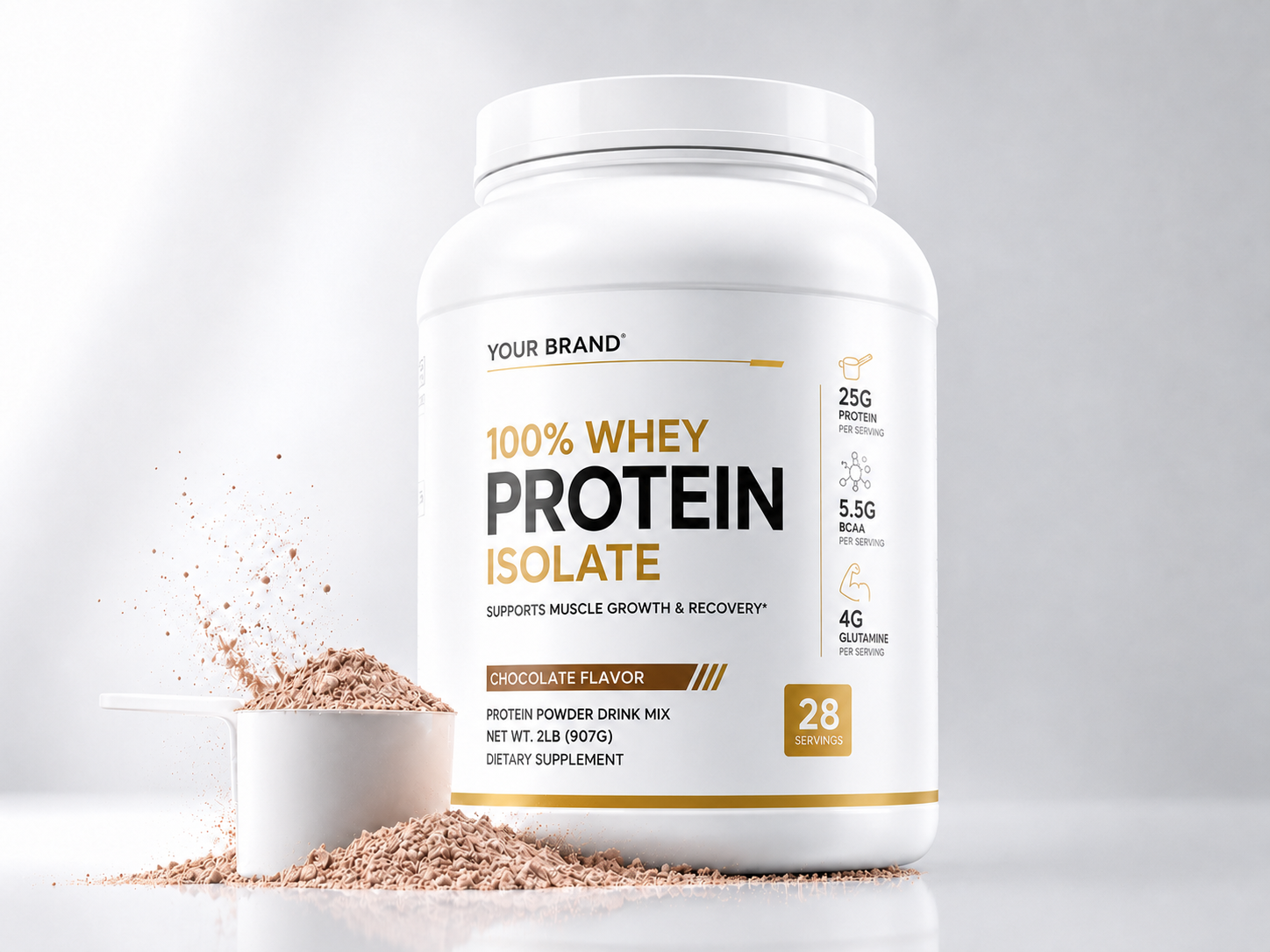
Low-humidity double-cone & V-blending for client powders. High-speed stick pack and tub filling with tight mass variance controls.
Explore Powder Tolling →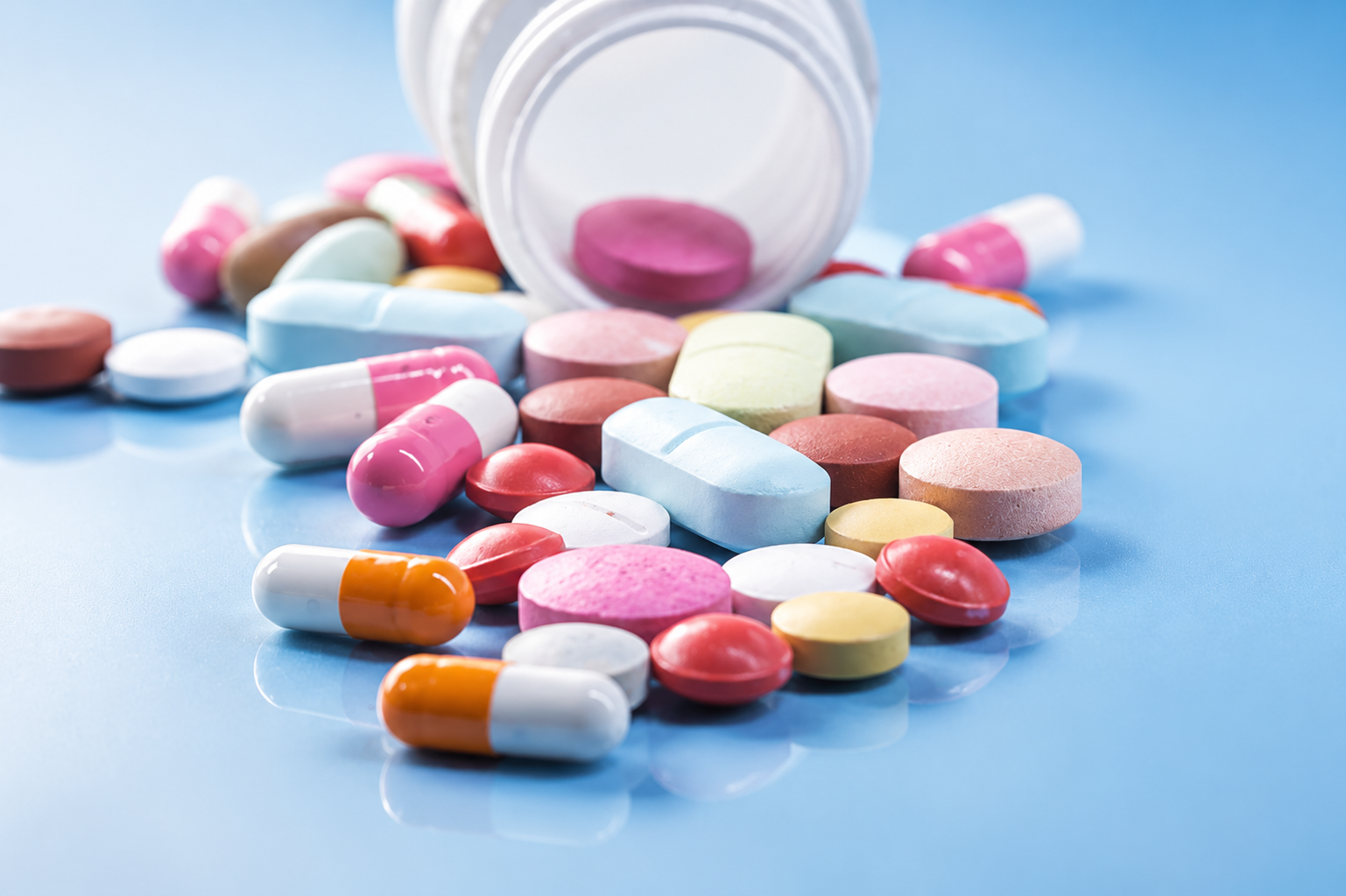
Direct compression, wet granulation, film coating, chewables, and effervescents with precise hardness and friability control.
Explore Tablet Tolling →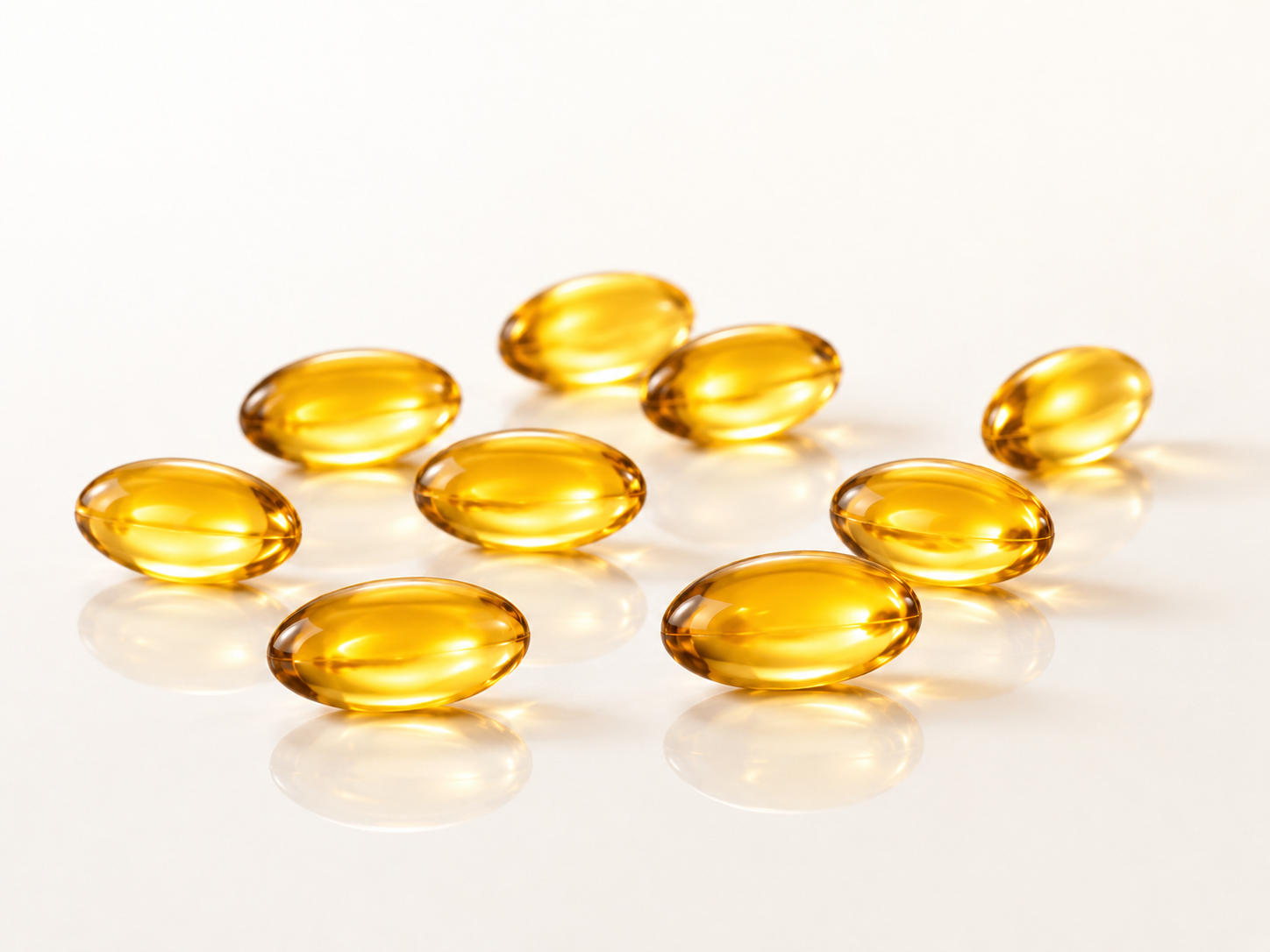
Nitrogen-flushed rotary die encapsulation for buyer-supplied oil actives, liposomal matrices, and specialty lipids.
Explore Softgel Tolling →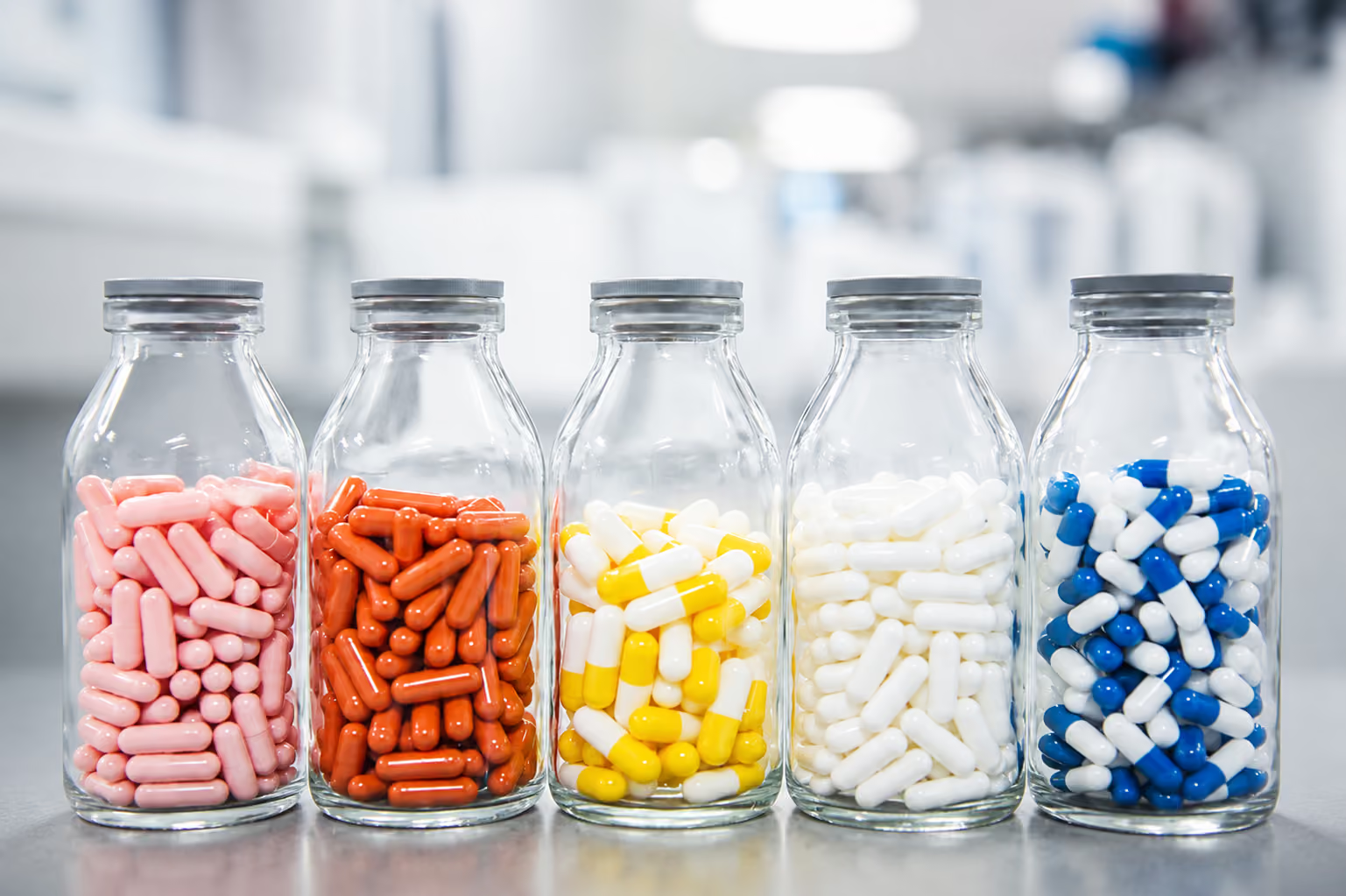
Automatic high-speed encapsulation for HPMC veggie, gelatin, and delayed-release capsules in sizes 000 to 0.
Explore Capsule Tolling →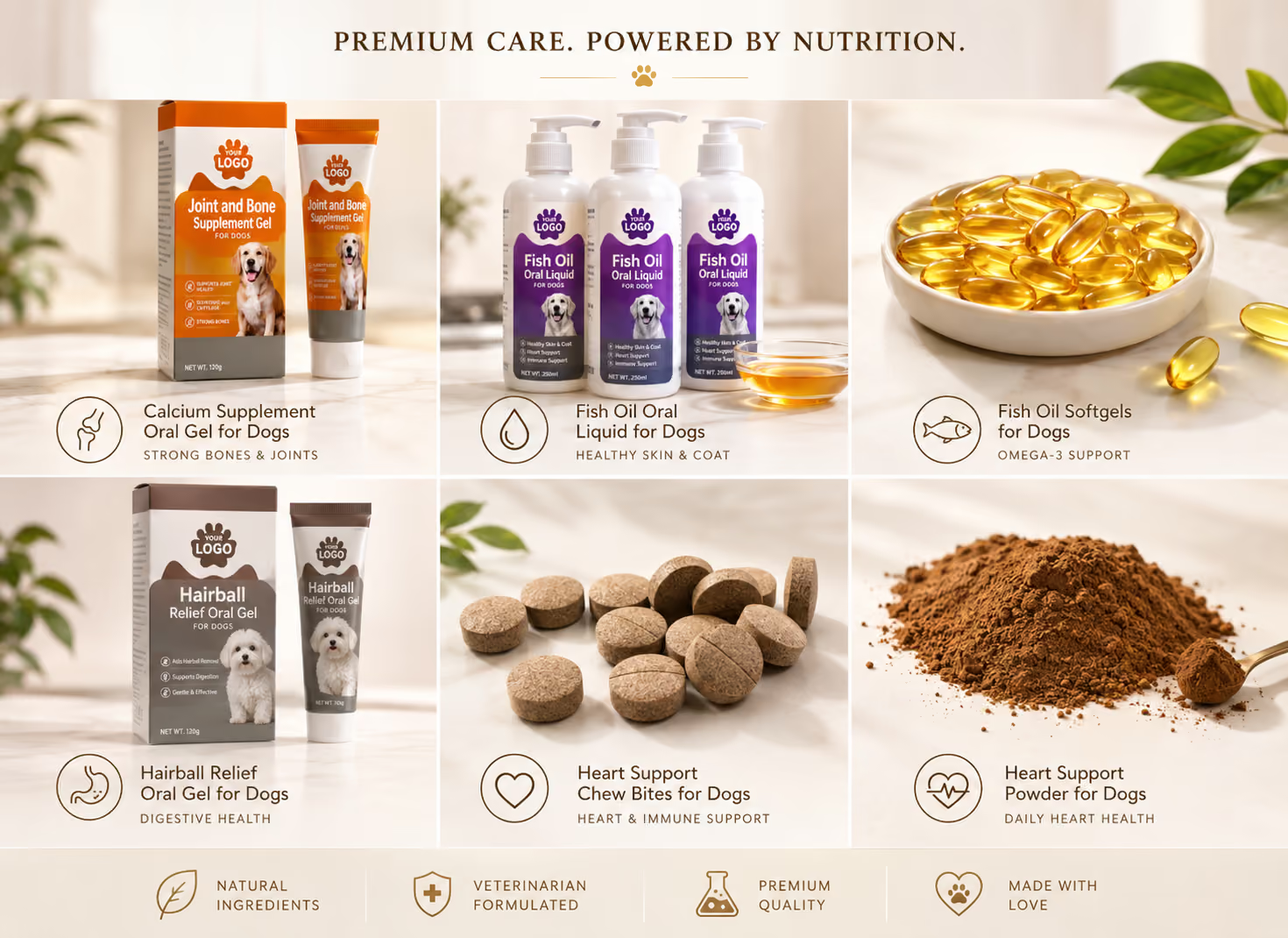
Cold-extruded soft chews and palatability-enhanced meal toppers using customer-supplied pet wellness actives.
Explore Pet Tolling →One of the primary challenges in toll supplement manufacturing is ensuring that raw materials furnished by the buyer perform reliably on automated, high-speed commercial production lines. Without standardized technical validation, variation in bulk density, particle size distribution (mesh size), moisture content (loss on drying), and flowability can compromise tablet hardness or cause fill-weight variation in capsule machinery.
At PAG Pharmatech America, we mitigate these risks through our standardized 7-Step Technical Transfer Protocol, ensuring smooth execution under strict cGMP guidelines:
As global supply chains evolve and regulatory authorities tighten oversight on dietary supplements, procurement leaders must anticipate major structural shifts in the CDMO and tolling landscape. Below are four key trends driving the future of toll supplement manufacturing:
With the implementation of the FDA's Modernization of Cosmetics Regulation Act (MoCRA) and updated cGMP enforcement on 21 CFR Part 111/117, regulatory scrutiny on raw material traceability has intensified. Toll manufacturers can no longer act as simple "contract blenders." Facilities must maintain comprehensive Supplier Qualification Programs (SQP) even for buyer-furnished ingredients. PAG Pharmatech's SQF Edition 9 and cGMP architecture ensure that every toll run meets FDA audit-ready standards.
Traditional raw active powders often suffer from poor bioavailability, unpleasant taste profiles, or chemical degradation when exposed to oxygen and moisture. The industry is rapidly adopting advanced active delivery formats, such as liposomal lipids, micro-encapsulated phytosomes, and targeted delayed-release beads. Toll manufacturing allows brand owners to source these high-cost proprietary technologies directly from specialized biotech firms while relying on PAG's specialized low-shear blending and gentle encapsulation processes.
Consumers increasingly demand clean-label products free from synthetic solvents, silicone dioxide, or magnesium stearate. Tomorrow’s toll processing requires advanced excipient substitution—using organic rice hull powders, acacia fiber, and natural bamboo silica. Furthermore, facility environmental controls must support solvent-free cleanroom processing to maintain organic handling certifications (USDA Organic, Kosher, Halal).
Yield loss is the single greatest financial risk in toll manufacturing. When a brand owner supplies a raw botanical extract costing $1,000/kg, a 5% scrap rate represents severe capital erosion. Modern tolling facilities are integrating optical sensors, automated weight checkers, and real-time ERP process telemetry to minimize mechanical scrap and hold active yields above 99.4%.
Selecting the right toll supplement manufacturer requires verifying experience, technical competence, audit readiness, and scalability. PAG Pharmatech America stands out as an industry leader built upon four core pillars:
Our US facility operates under strict 21 CFR Part 111 (Dietary Supplements) and Part 117 (Preventive Controls for Human Food) regulations, certified by SQF Edition 9 and audited by SGS.
With three decades of global manufacturing excellence, our technical personnel have processed thousands of complex botanical, mineral, amino acid, and probiotic formulations.
We establish contractual scrap thresholds and yield tolerances before batch processing, ensuring your high-value furnished raw materials are handled with extreme care.
PAG links manufacturing across Utah (USA), an EU-GMP plant in the Netherlands, and a high-volume site in Shenzhen—giving your enterprise seamless multi-market scalability.
Take a visual tour of our Springville manufacturing suites, automated high-speed machinery, and analytical testing laboratories engineered for tolling excellence.
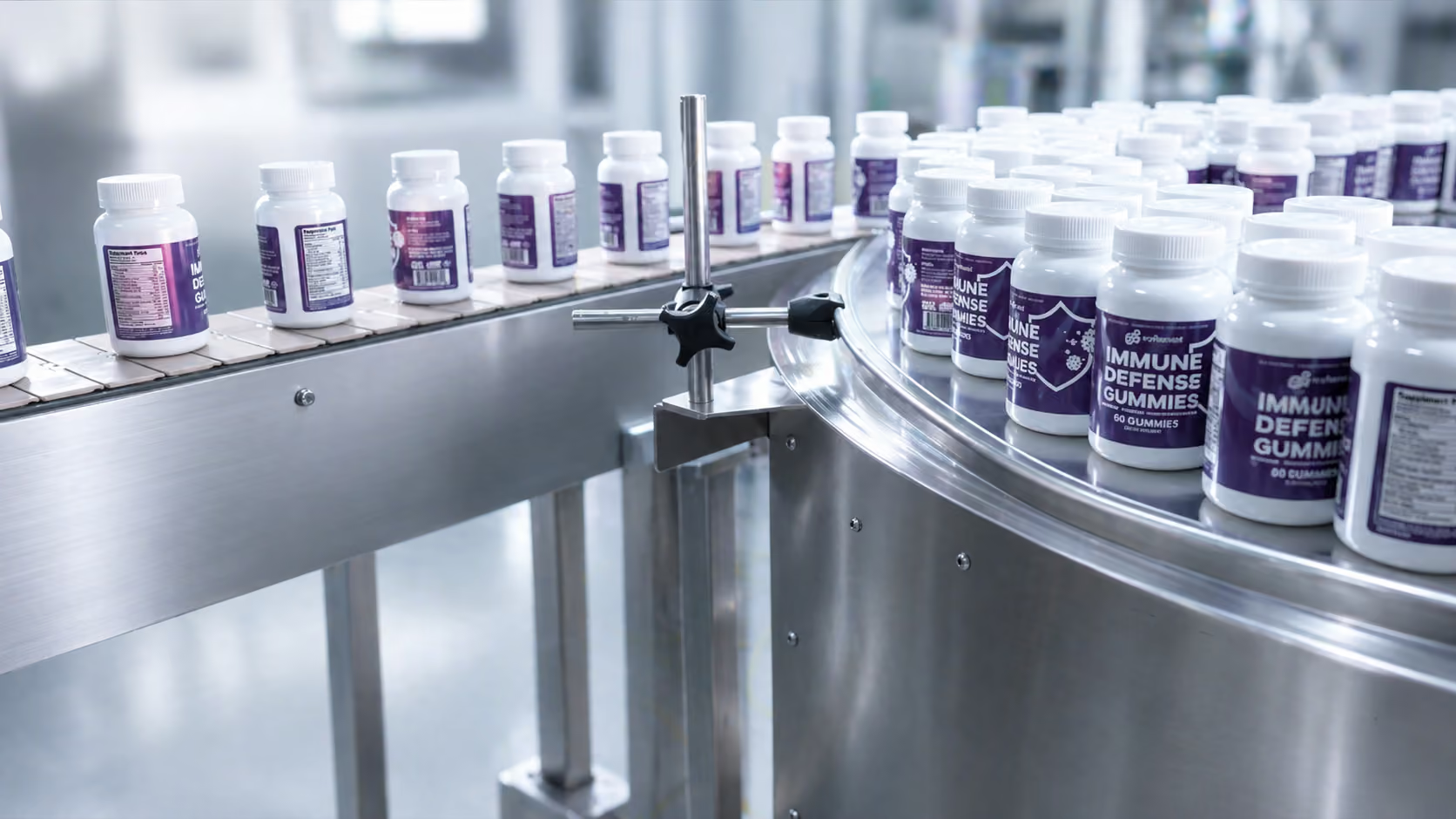 cGMP Processing Suite
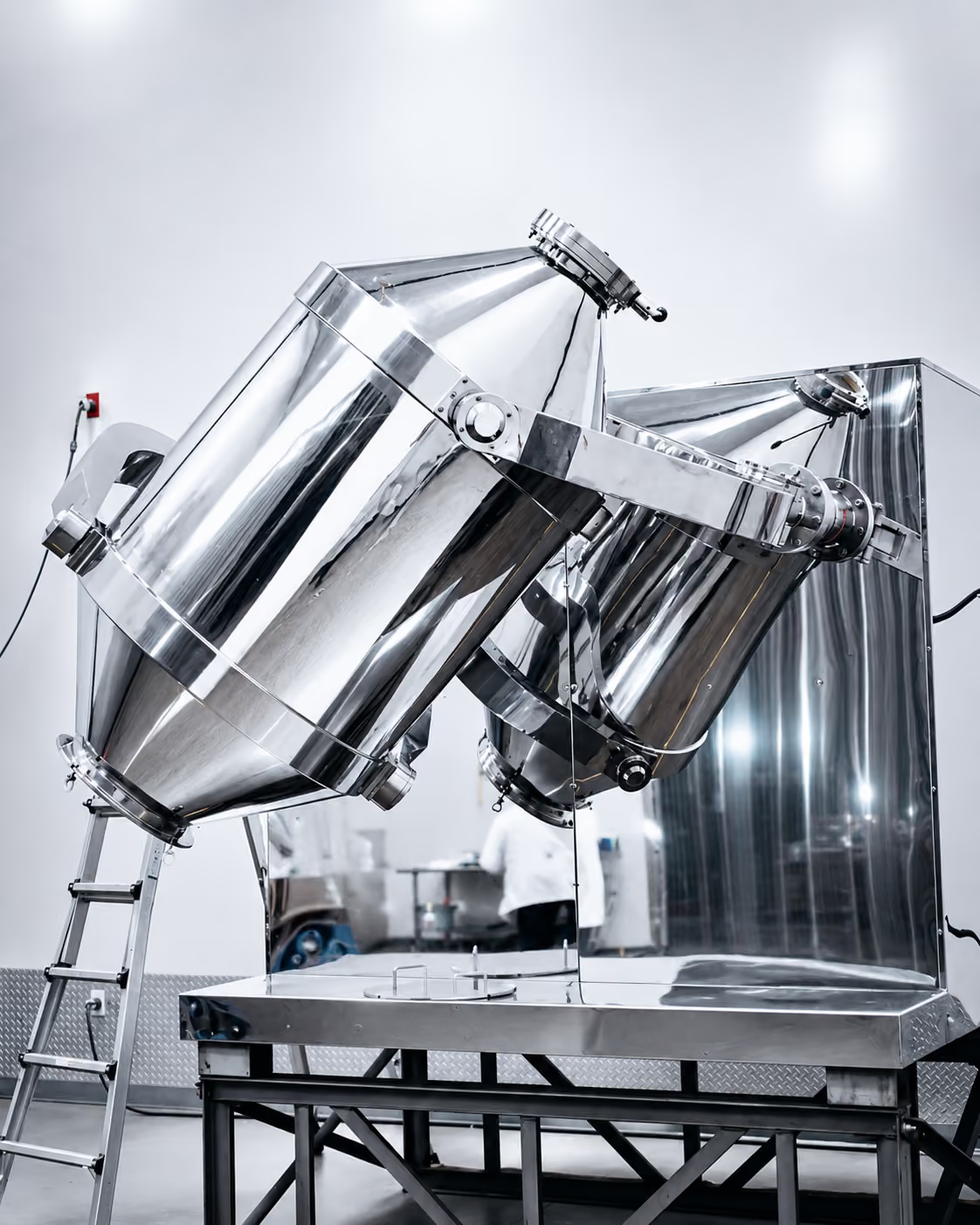 High-Speed Machinery
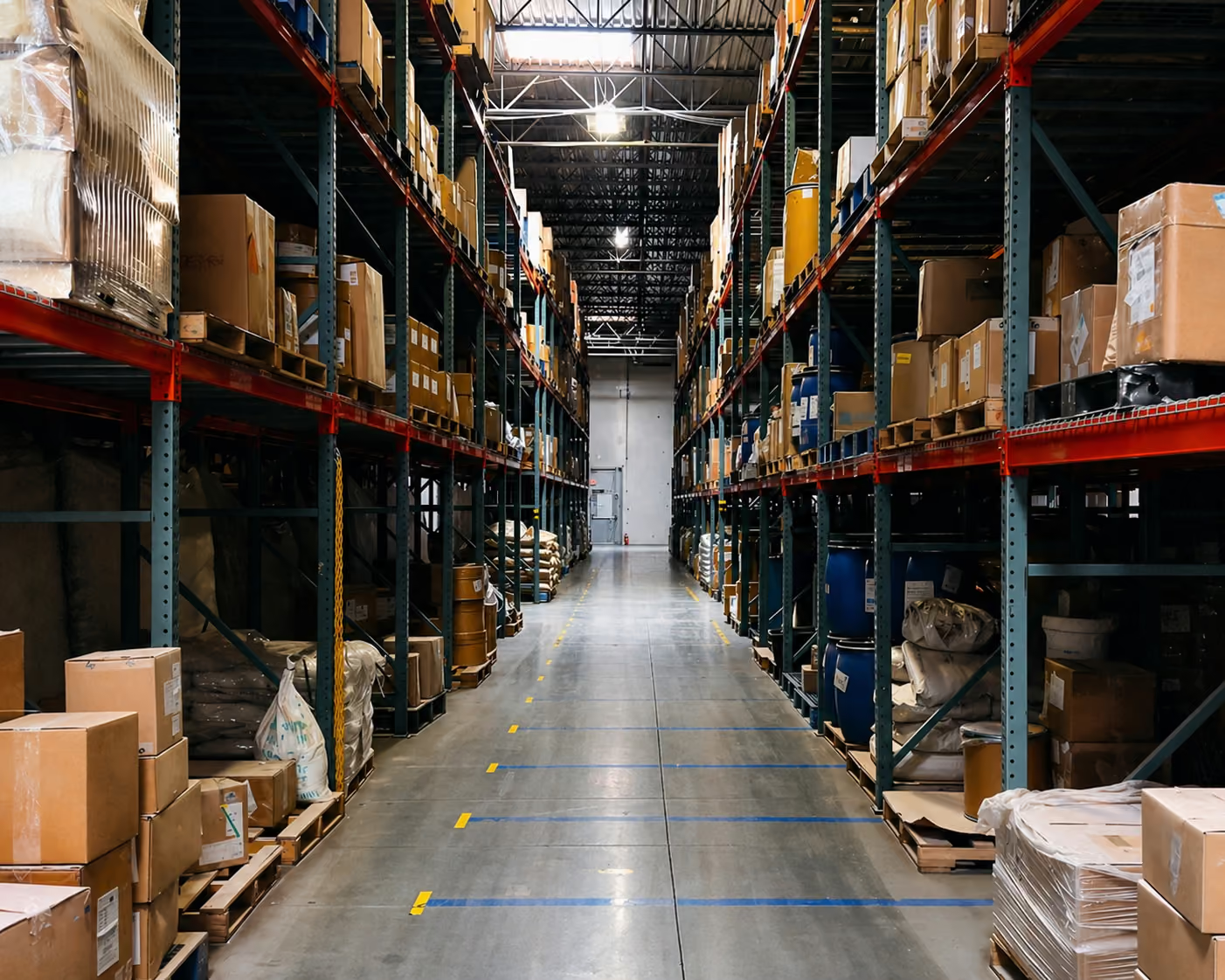 Quarantine Warehouse
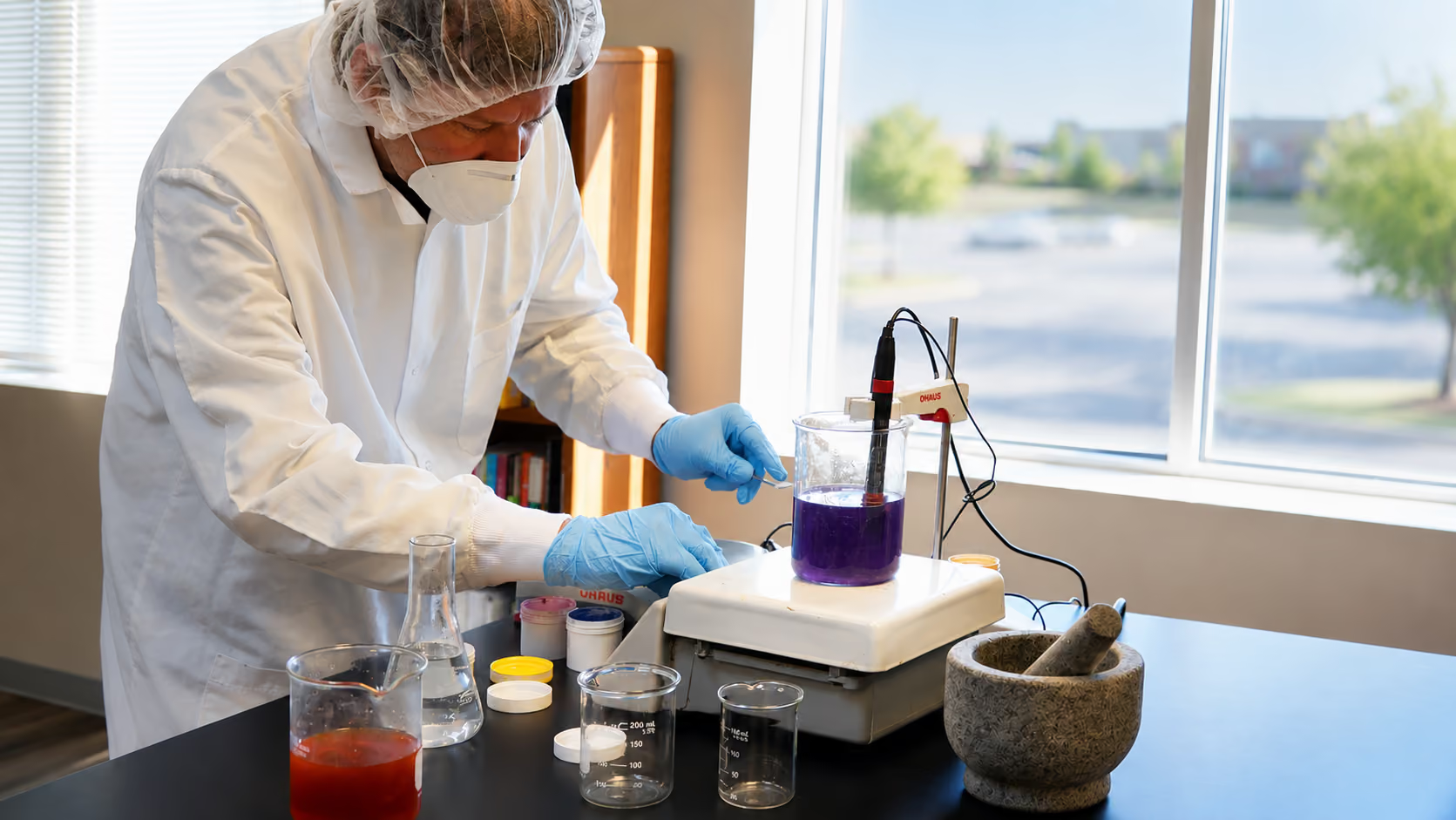 Analytical QC Lab
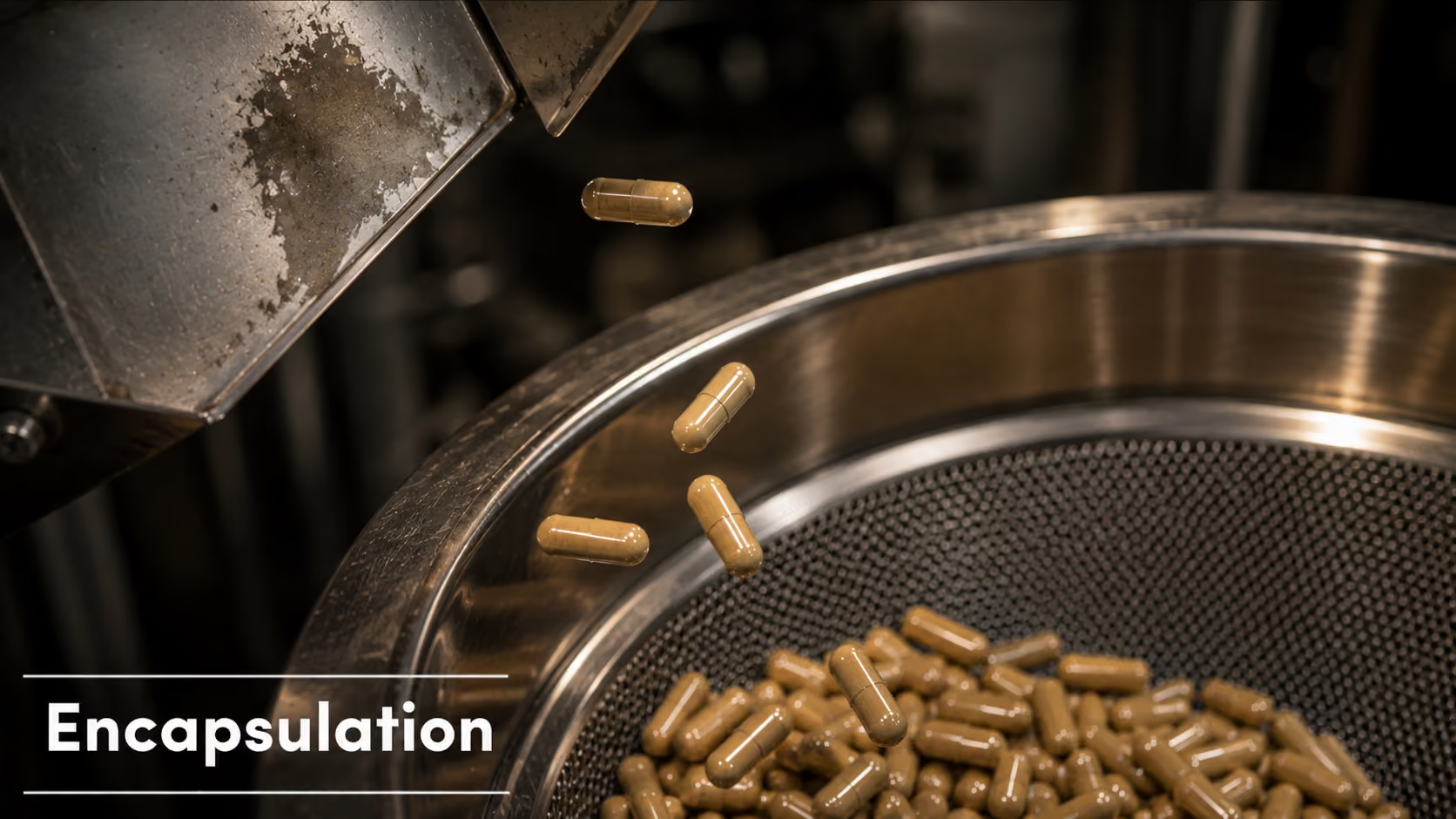 Encapsulation Line
Target active ingredient yield recovery rate across all client-furnished tolling runs.
Inquire NowClear technical and commercial answers for sourcing managers evaluating toll manufacturing services.
In traditional Contract Manufacturing (turnkey), the CDMO handles everything: sourcing, buying, and testing all raw materials, blending, processing, and packaging. In Toll Supplement Manufacturing, the buyer supplies their own active raw materials (or key expensive ingredients), while PAG Pharmatech provides the facility, labor, processing machinery, quality assurance, and packaging services for a clear processing fee.
Yield loss control is vital when processing buyer-furnished ingredients. PAG establishes contract yield targets (typically 98.5% to 99.5% active recovery depending on dosage format). We conduct pre-formulation rheology testing and run automated pilot trials to calibrate equipment, minimizing loss during blending, tableting, or encapsulation.
Under FDA 21 CFR Part 111 regulations, PAG cannot process unverified raw materials. Upon arrival at our Utah plant, client ingredients are quarantined and undergo FTIR identity testing, heavy metals screening, microbial limits testing, and physical property analysis (mesh size, density, moisture). We also verify the supplier's Certificate of Analysis (CoA).
Yes. While clients furnish key active ingredients, PAG frequently supplies standard cGMP-compliant excipients (such as binders, flow agents, organic carriers, capsule shells, pectin bases, and natural flavors/sweeteners) from our pre-qualified inventory to simplify procurement.
Our MOQs for toll manufacturing start at 6,000 units for gummies, 5,000 units for tablets, softgels, and hard capsules, 300 kg for powder blends and stick packs, and 300 kg (or 2,000 tubs) for pet nutrition soft chews. These thresholds allow brands to run pilot launches or large-scale commercial runs efficiently.
We enforce strict Mutual Non-Disclosure Agreements (NDAs) prior to receiving proprietary formulation documentation or specialized actives. Formulation records and blending steps are isolated within non-disclosure master batch execution files, ensuring 100% confidentiality of your trade secrets.
Yes. Every batch released from PAG includes a complete documentation package: Master Batch Production Record (BPR) copy, analytical Certificate of Analysis (CoA) from an ISO 17025 accredited laboratory covering potency and micro safety, allergen statements, and stability data as required for Amazon seller verification or major retailer onboarding.
Contact our Utah technical sales engineering team today to review your raw material specifications, schedule a plant audit, and receive a transparent toll processing quotation within 24 hours.
FDA registration does not constitute FDA approval or endorsement of any product. Certifications are held by our FDA-registered manufacturing operation; certificate copies are available under NDA during supplier qualification.