Engineering Excellence in Hard Gelatin Capsule Contract Manufacturing
An authoritative technical breakdown for pharmaceutical brand founders, procurement managers, and formulation scientists seeking reliable, high-yield encapsulation partnerships.
In the highly competitive dietary supplement and nutraceutical sectors, selecting the right hard gelatin capsule contract manufacturing partner represents one of the most critical operational decisions for your brand. Hard gelatin capsules remain the industry standard for delivering dry powders, granules, micro-pellets, and liquid matrixes due to their rapid dissolution profile, excellent bioavailability, robust physical protection of oxygen-sensitive actives, and cost efficiency relative to alternative solid dose platforms.
At PAG Pharmatech America, operating from our state-of-the-art FDA-registered cleanroom facility in Springville, Utah, we bridge the gap between technical formulation science and rapid commercial execution. Below, our engineering team breaks down the physicochemical properties, filling physics, quality control protocols, and procurement strategies necessary to succeed in today’s evolving market.
Information Gain Executive Summary: What Modern Sourcing Teams Must Evaluate
- Moisture Management: Hard gelatin shells contain an equilibrium water content of 13% to 16% w/w. Sub-10% storage causes brittleness; elevated humidity leads to shell softening and sticking. Our Utah suites enforce a strict 35–45% RH envelope.
- Cross-Linking Prevention: Exposure to trace aldehydes or high heat can cause gelatin protein cross-linking, compromising USP <711> dissolution times. We specify high-purity Bloom 180–240 gelatin with succinylation options for aldehyde-sensitive actives.
- Dosing Precision: Utilizing automatic tamping-pin and vacuum-dosing technology, we achieve mass variance standards well within USP <905> Uniformity of Dosage Units guidelines.
1. Physicochemical Foundations & Gelatin Shell Mechanics
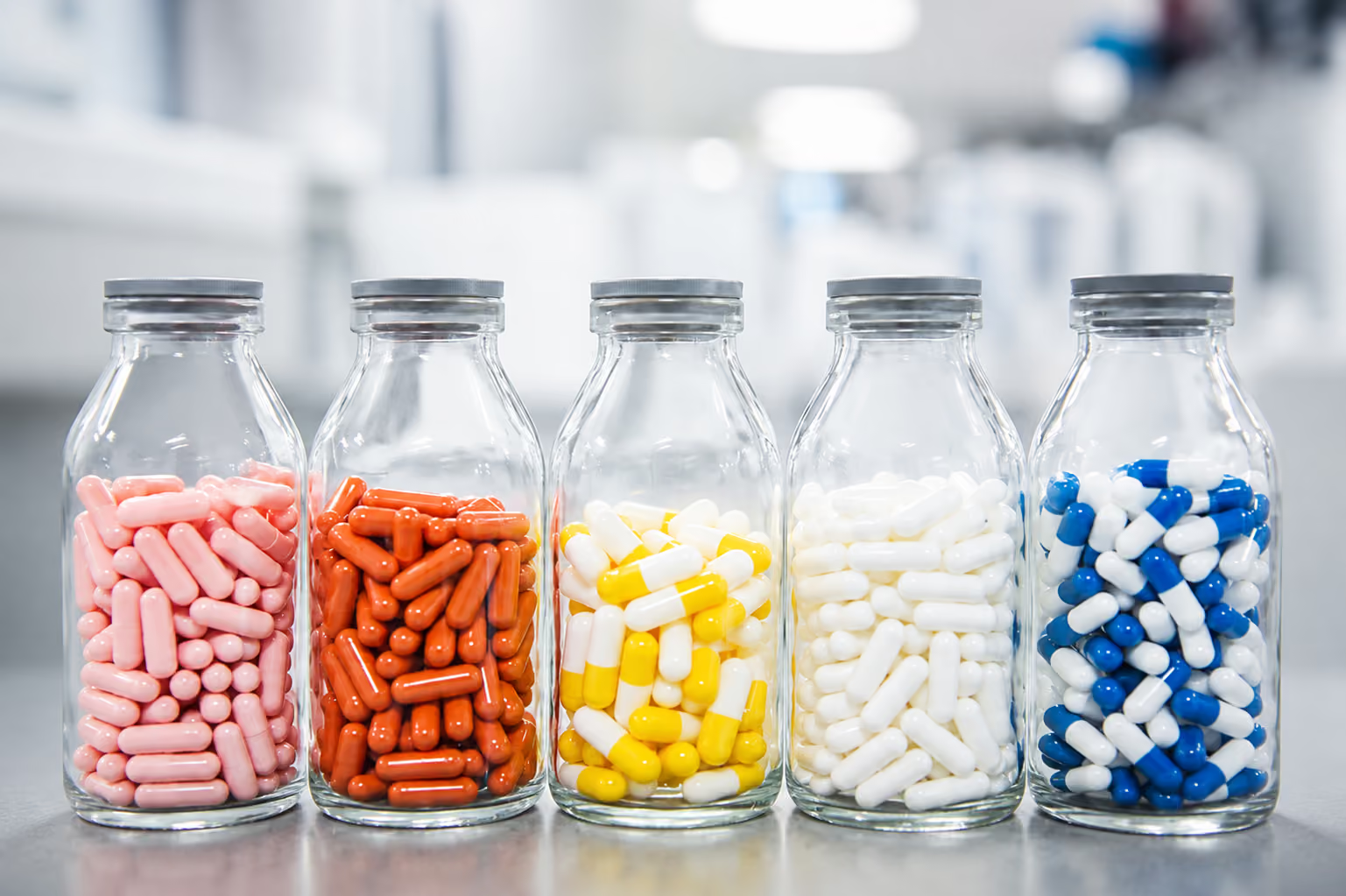
Hard gelatin capsule shells are synthesized through the partial hydrolysis of collagen extracted from bovine or porcine animal tissues. The quality of the finished capsule shell depends directly on the Bloom strength (gel strength) and viscosity profile of the raw gelatin batch. Pharmaceutical-grade two-piece hard gelatin capsules require gelatin with a Bloom strength between 180 and 240 grams, ensuring optimal mechanical elasticity during high-speed filling operations.
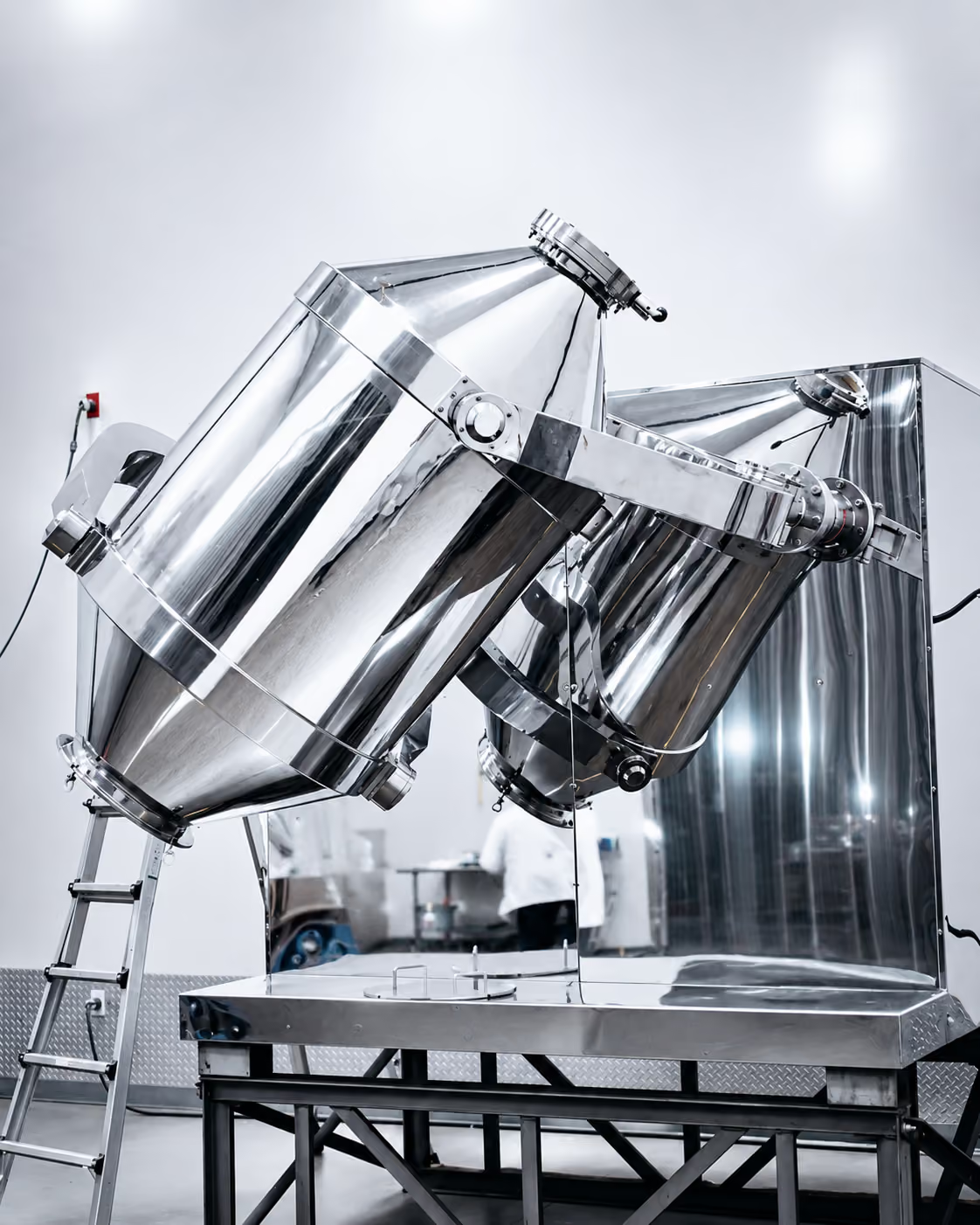
 Gelatin Capsule Shell Selection
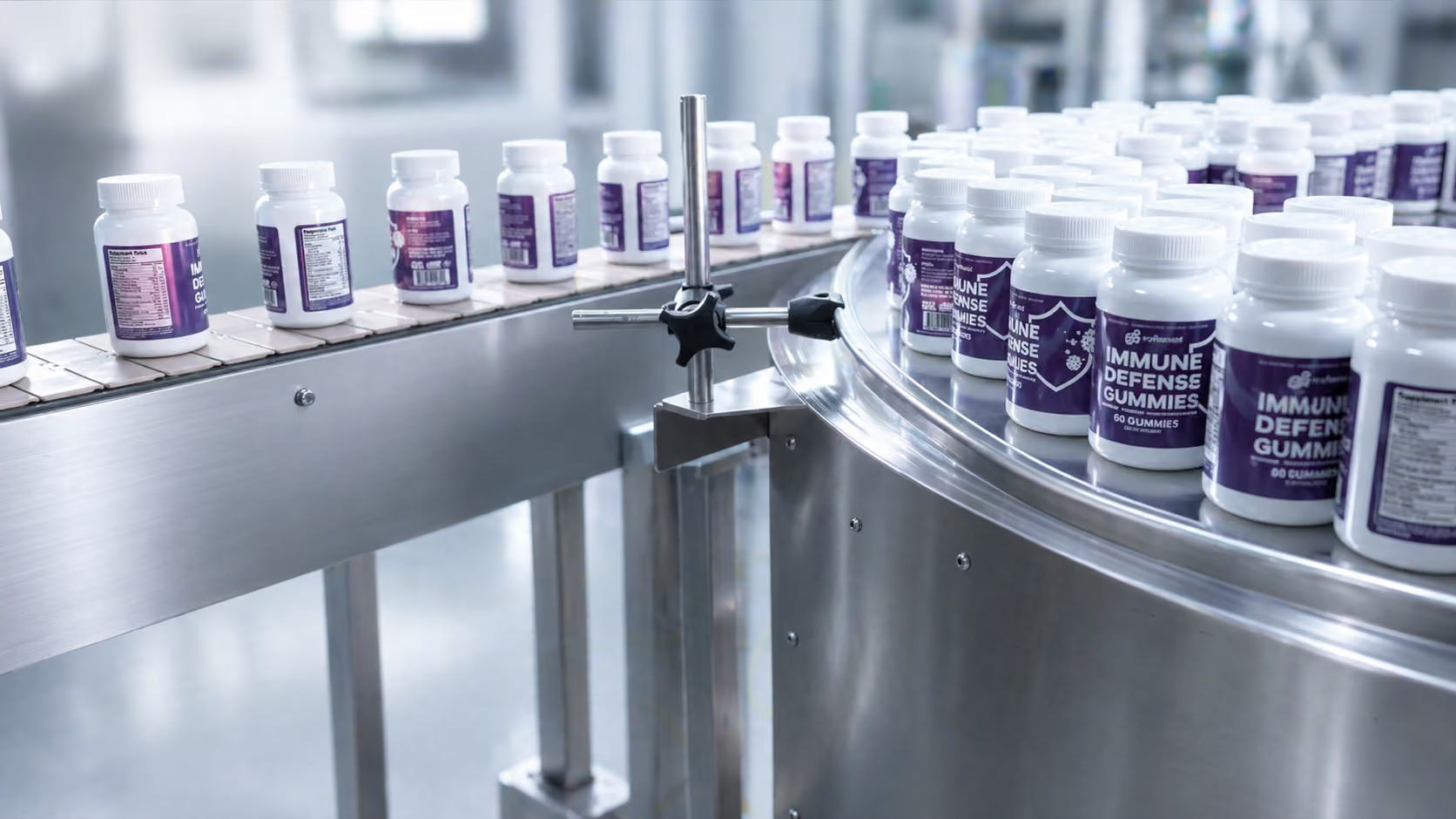
 Precision Tamping Encapsulation
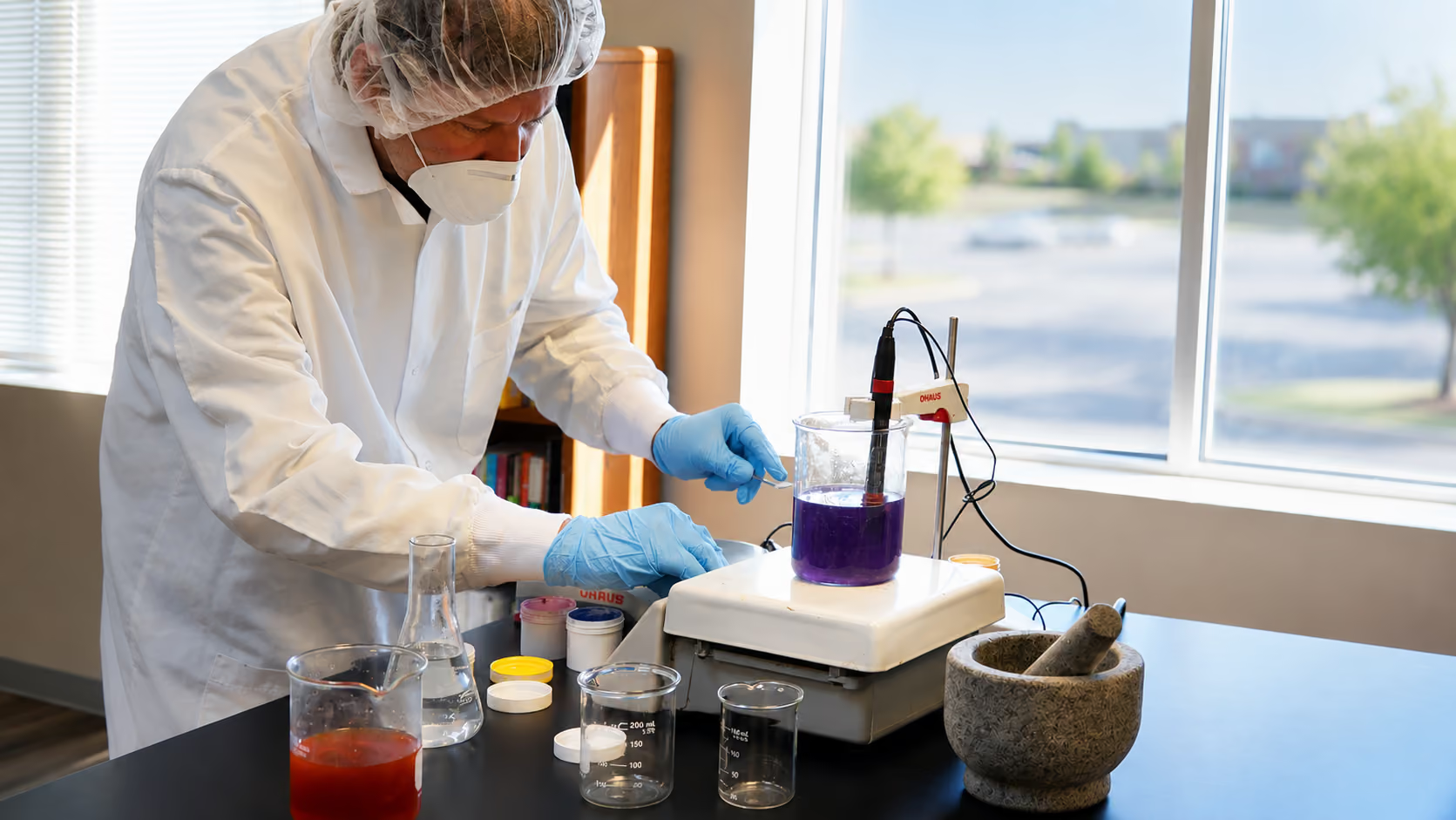
Strictly controlled moisture content ensures optimal shell elasticity, preventing shatter or collapse during compression.
Contact UsCapsule Shell Size Selection & Volumetric Calculations
Formulators must align the tapped density ($g/mL$) of the powder blend with the capsule body volume to select the correct capsule shell size. The table below outlines the standard dimensional and volumetric parameters for hard gelatin capsule contract manufacturing:
| Capsule Size | Volume (mL) | Lock Length (mm) | Typical Capacity at 0.6 g/mL | Typical Capacity at 0.8 g/mL | Primary Market Application |
|---|---|---|---|---|---|
| Size 000 | 1.37 | 26.14 | 822 mg | 1096 mg | High-dose sports nutrition, amino acids |
| Size 00E | 1.02 | 25.30 | 612 mg | 816 mg | Extended-capacity herbal blends |
| Size 00 | 0.91 | 23.30 | 546 mg | 728 mg | Standard vitamins, minerals, protein blends |
| Size 0 | 0.68 | 21.70 | 408 mg | 544 mg | Nootropics, botanical extracts, joint health |
| Size 1 | 0.50 | 19.40 | 300 mg | 400 mg | Concentrated specialty actives, CoQ10 |
| Size 2 | 0.37 | 17.80 | 222 mg | 296 mg | Micro-dosed vitamins, probiotics, zinc |
| Size 3 / 4 | 0.28 / 0.21 | 15.9 / 14.3 | 168 mg / 126 mg | 224 mg / 168 mg | Specialized pediatric/clinical formulations
Formula for target mass determination: $\text{Fill Weight (g)} = \text{Capsule Body Volume (mL)} \times \text{Tapped Blend Density (g/mL)}$. If your target dose exceeds the capacity of a Size 00 shell, particle engineering (granulation or agglomeration) is required to increase tapped density rather than oversizing the capsule, which can compromise swallowability and consumer compliance.
2. Product Formulations & Recommended Capsule Applications
As a specialized CDMO, PAG Pharmatech manufactures custom hard gelatin capsules across diverse health sectors. By combining advanced excipient pairing with state-of-the-art encapsulation hardware, we offer superior product performance across the following key product categories:
Nootropics & Cognitive Complex
Custom hard capsules combining hygroscopic botanicals (Bacopa, Ashwagandha) with delicate B-vitamins. Enclosed within micro-dehumidified suites to prevent clumping and moisture degradation.
Multi-Pellet Sustained Release
Formulations integrating enteric-coated and immediate-release micro-pellets inside a single Size 0 or 00 hard gelatin shell. Engineered for targeted, multi-stage intestinal release profiles.
Liquid-Filled Hard Capsules (LFHC)
Hermetically sealed hard gelatin capsules containing non-aqueous lipophilic suspensions (Omega-3 oils, Vitamin D3/K2, Curcumin extracts), featuring tamper-evident band sealing.
Whether you require straightforward powder dosing or complex dual-phase liquid-pellet delivery, our Springville engineering team evaluates powder flowability (Carr’s Index and Hausner Ratio), particle size distribution (PSD), and moisture sensitivity prior to commercial scale-up.
3. Emerging Procurement & Sourcing Trends for Global Buyers
Global buyers in 2026 are managing complex supply chain risks, regulatory evolution, and shifting consumer demographics. Sourcing managers and procurement executives must adapt to four dominant market trends when securing hard gelatin capsule manufacturing capacity:
A. The Strategic Shift toward Dual-Sourcing & Domestic Supply Redundancy
Geopolitical tensions, ocean freight fluctuations, and sudden tariff adjustments have made total reliance on overseas manufacturing risky for North American brands. Leading brands are adopting a hybrid CDMO model: maintaining high-volume baseline manufacturing domestic in the USA (via PAG Pharmatech’s Utah plant) while leveraging international sister facilities for localized regional supply. This strategy guarantees tariff insulation, 8-to-12 week turnaround times, and continuous product availability.
B. Demand for High-Potency Micro-Dosing & Uniformity Verification
As clinical research highlights the efficacy of low-dose actives (e.g., active Folate, Methylcobalamin, rare Trace Minerals), buyers require contract manufacturers with specialized low-dose blend validation capabilities. Achieving homogeneous distribution of active ingredients under 1 mg requires advanced geometric dilution, specialized micro-tamping pins, and mandatory 100% check-weighing systems to ensure regulatory compliance.
C. Transparent Analytical Records & Real-Time Quality Audits
Amazon’s stringent dietary supplement seller policies and third-party retailer requirements (such as Whole Foods and CVS) demand rigorous documentation for every SKU. Procurement managers no longer accept basic Certificate of Analysis documents. They require complete batch production records, full ISO 17025 raw material traceability, verified absence of ethylene oxide (EtO) residues, and non-detectable heavy metal profiles (ICP-MS testing for Lead, Cadmium, Arsenic, and Mercury).
D. Micro-Encapsulation & Odor-Masking Technologies
Consumers increasingly reject supplement products with unpleasant odors or bitter tastes (e.g., Valerian Root, N-Acetyl L-Cysteine, Marine Collagen). Modern contract manufacturing relies on precision gelatin encapsulation combined with micro-pelletized active coatings or gelatin band-sealing technology to lock in aromas and offer a premium, shelf-stable end product.
4. Industry & Technological Trends in Hard Capsule Engineering
The encapsulation equipment landscape has transitioned from manual and semi-automatic systems to fully automated continuous production lines equipped with real-time process analytical technology (PAT). Key industry advancements implemented within our facility include:
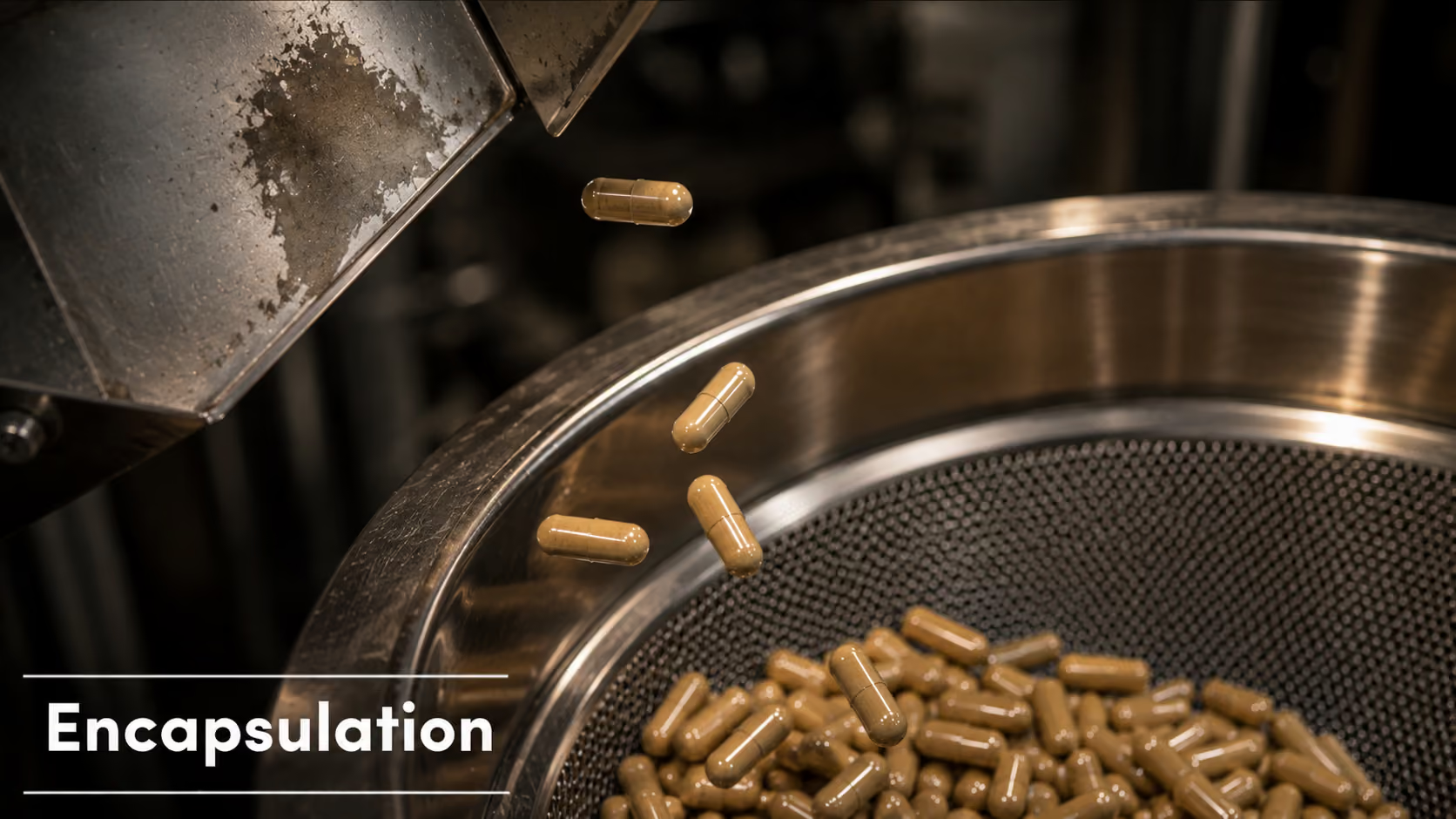
- Precision Tamping-Pin Encapsulation: Automated machines feature a 5-to-6 step tamping disk system that compresses dry powder into compact slugs before insertion into capsule bodies. This technology maintains weight variance below $\pm 1.5\%$, even for challenging cohesive powders.
- Gelatin Band-Sealing (LEMS - Liquid Encapsulated Microspray System): For liquid-filled hard gelatin capsules, a precise layer of gelatin solution is applied around the overlapping joint of the cap and body. This process prevents leakage, reduces oxygen exposure, and provides tamper-evident security.
- Modified-Release Enteric Coating Matrixes: When delivering acid-sensitive compounds (such as enzymes or live probiotics), hard gelatin capsules can be coated with enteric polymers (such as Shellac or Eudragit) to prevent dissolution in stomach acid (pH 1.2) while enabling rapid disintegration in the small intestine (pH > 6.8).
5. Sourcing & Technical FAQ: Sourcing Managers & Formulators
Our standard entry-level MOQ for hard gelatin capsule production starts at 5,000 finished retail bottles (or 500,000 bulk capsules). This threshold is tailored specifically to allow emerging DTC brands, medical practitioner lines, and Amazon sellers to validate new formulas without committing to excess inventory holding costs. Large-scale production scales up smoothly to 50+ million unit runs on our automated continuous tamping lines.
Gelatin cross-linking occurs when protein molecules form irreversible chemical bonds, creating a thin, water-insoluble membrane (pellicle) that prevents normal disintegration during USP <711> testing. We prevent cross-linking by: (1) sourcing high-purity, pharmaceutical-grade gelatin certified free of trace aldehydes; (2) controlling facility ambient humidity between 35% and 45% RH; (3) excluding aldehyde-containing excipients or reactive flavor agents from powder blends; and (4) utilizing succinylated gelatin shells when formulating with sensitive botanical compounds.
Hard gelatin capsules are derived from animal collagen (bovine or porcine) and feature an equilibrium moisture content of 13-16%, making them robust, flexible, and economical, with very low oxygen permeability. HPMC (hydroxypropyl methylcellulose) capsules are plant-derived, with a lower moisture content (3-8%), making them ideal for highly hygroscopic powders but slightly more permeable to oxygen. PAG Pharmatech manufactures both capsule types on identical high-speed lines based on your product positioning and market requirements.
Yes. Botanical extracts rich in polyphenols or hygroscopic compounds tend to absorb atmospheric moisture, resulting in poor powder flow, caking, and sticky capsule walls. We mitigate these challenges by incorporating functional flow agents (such as pharmaceutical silicates or rice hull concentrates), utilizing fluid-bed micro-granulation to build uniform particle sizes, and operating under low-humidity cleanroom conditions.
Every production batch shipped from our Utah plant includes a full Quality Assurance documentation package: (1) Certificate of Analysis (CoA) containing assays for active ingredient potency, heavy metals (ICP-MS), microbial pathogens (USP <2021/2022>), and disintegration time; (2) Master Batch Record copy; (3) Statement of BSE/TSE-Free Gelatin Origin; (4) Allergen Declaration; and (5) Certificate of Conformance under 21 CFR Part 111 cGMP regulations.
For standard private label or existing base formulations, turnaround time is 8 to 10 weeks. For complex custom formulations requiring custom raw material sourcing, R&D pilot blending, analytical method validation, and accelerated 30-day stability screening, our total timeline is 12 to 16 weeks — fulfilling our corporate guarantee of market readiness within 90 days.