Market Intelligence Future Procurement & R&D Trends in Pet Soft Chew Manufacturing
Insights for brand executives and global supply chain directors preparing for 2026–2030 companion animal consumer demands.
1. Clean-Label Matrix & Grain-Free Binder Innovation
Historical soft chew formulations relied heavily on high-glycemic fillers, synthetic glycerine, propylene glycol, and modified corn starches to retain moisture and soft texture. Modern pet owners actively avoid these ingredients due to allergen concerns and systemic inflammation risks in pets.
The future of pet soft chew manufacturing centers on functional, plant-derived binders and humectants. PAG Pharmatech’s R&D team pioneered clean-label matrix technology using sweet potato flour, tapioca starch, chickpeas, vegetable glycerin derived from non-GMO palm oil, and apple pomace. This delivers superior softness and shelf longevity while maintaining 100% grain-free, soy-free, and corn-free packaging claims.
2. Dual-Phase Palatability Hydrolysates
No matter how powerful a supplement’s active ingredient panel is, commercial success relies entirely on animal acceptance. Palatability failures lead to product returns and eroded brand trust. Future-proof pet soft chew manufacturing incorporates enzymatically hydrolyzed animal proteins (pork liver, chicken digest, and hypoallergenic yeast extracts) directly integrated into the core chew matrix and applied as a low-temperature surface mist.
Our standardized two-bowl preference testing protocols demonstrate acceptance rates exceeding 95% across varied canine breeds, even when masking high doses of bitter botanicals like Ashwagandha or MSM.
3. Lipid Micro-Encapsulation & Active Stabilization
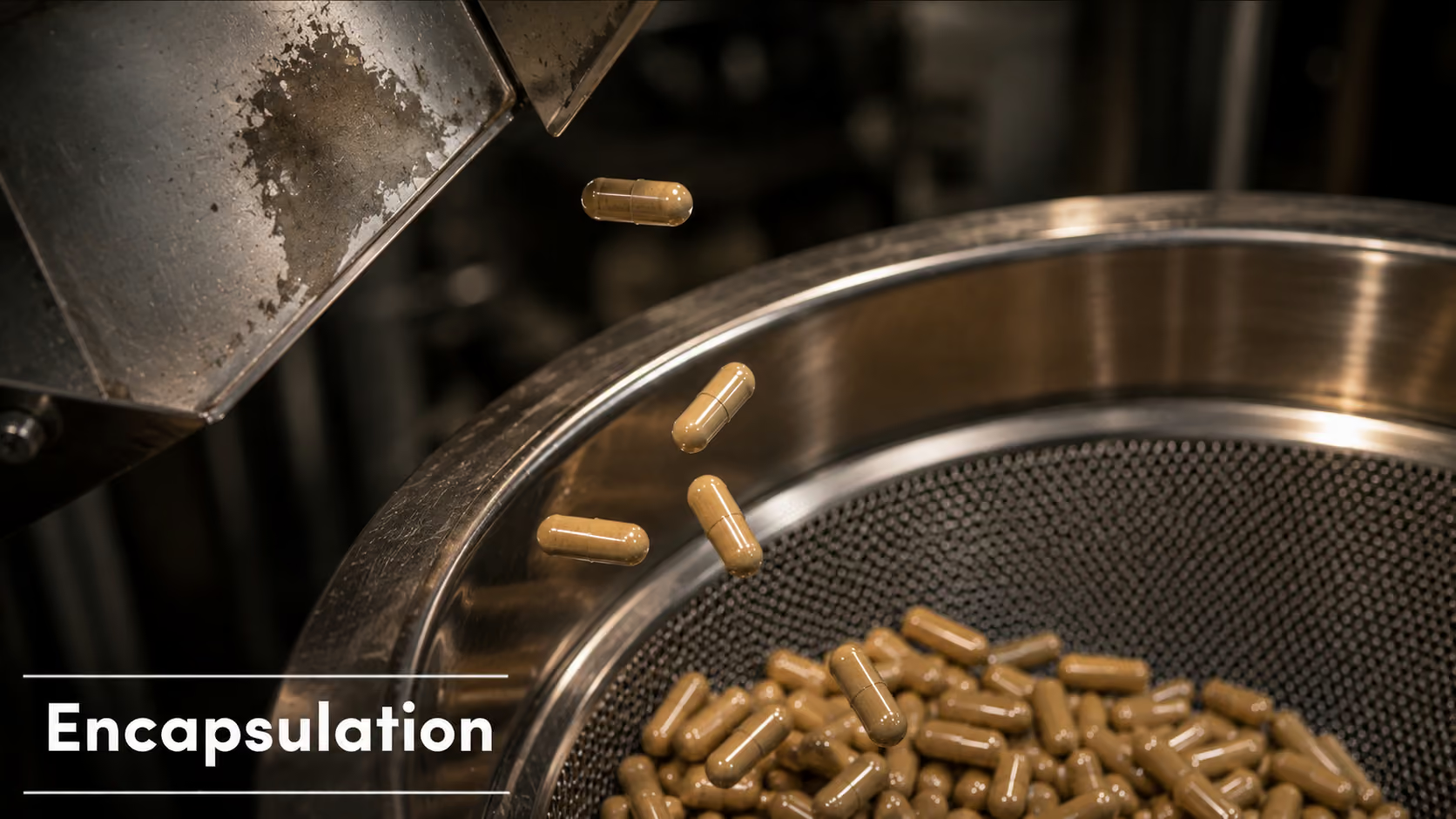
Active degradation triggered by ambient oxygen exposure is the leading cause of rancidity and potency loss in soft chews containing high lipid levels (such as Salmon Oil or Hemp Seed Oil). Advanced manufacturing now utilizes micro-encapsulation techniques, encasing delicate active molecules within a natural protective lipid or carbohydrate shell prior to blending.
This process isolates oxygen-sensitive compounds from atmospheric exposure, eliminating off-odors, preventing lipid peroxidation, and extending verified shelf-life to 24 full months without requiring synthetic BHA/BHT antioxidants.
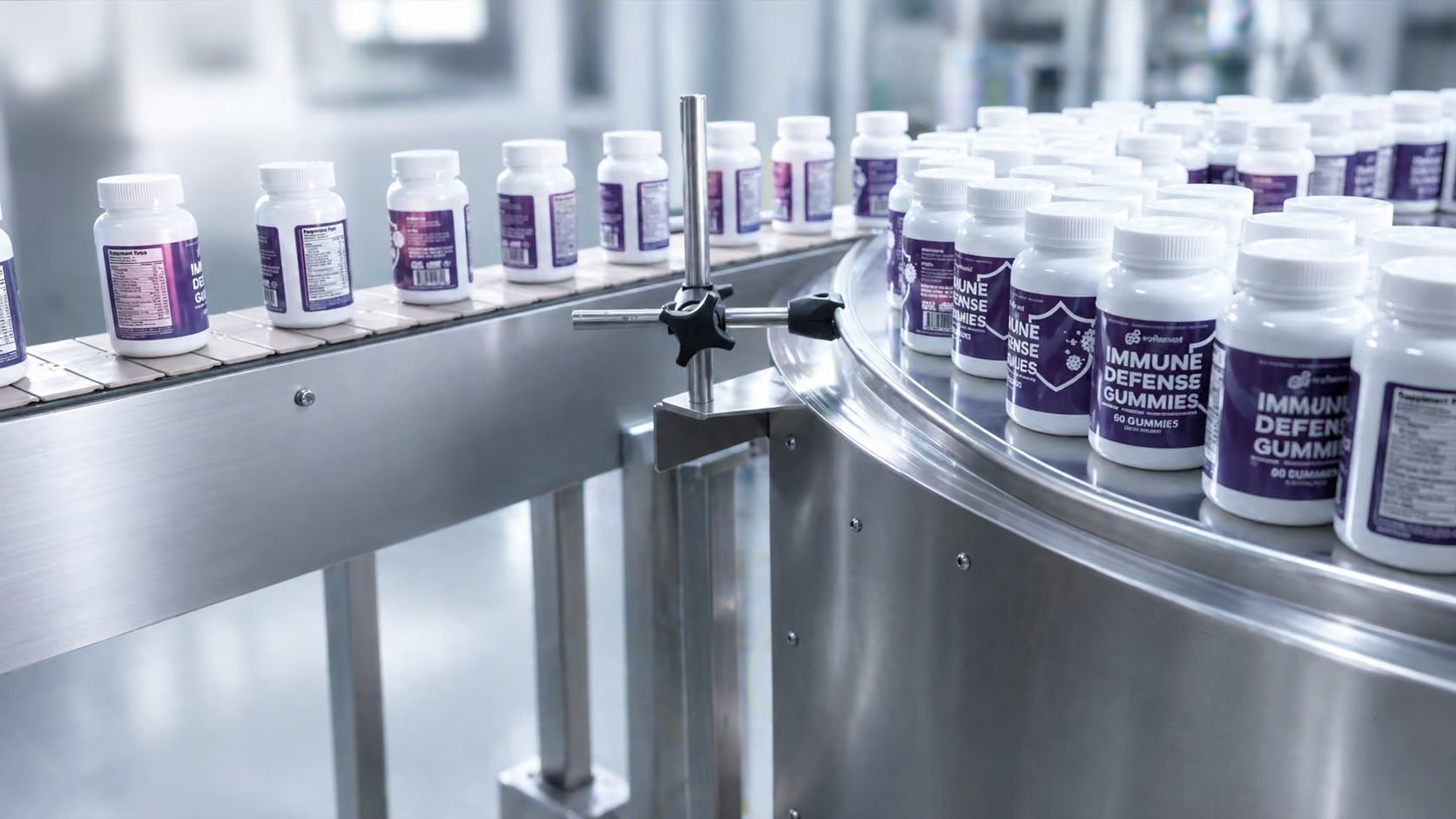 Automated Extrusion & Shaping
 Primary Packaging Lines
100%
Traceability on all raw ingredient lots from receiving to final pouch sealing.
Schedule Plant Audit