US-Based Supplement Manufacturing  ·  FDA-Registered & GMP Certified  ·  8–12 Week Lead Times
FDA Registered SQF Ed. 9 Halal & Kosher 30 Years CDMO
0%

Why Choose Pectin Gummy Contract Manufacturing? The answer begins with control, consistency, and practical production experience. Pectin can create a clean, plant-based gummy texture, but it demands careful processing. Temperature, pH, moisture, and setting time must work together. A small error can produce sticky pieces, weak structure, or uneven flavor release.

Dr. Emma Goodall, a nutraceutical formulation specialist, explains, “Pectin gummies reward precision; reliable results come from controlling every stage, not one perfect ingredient.” Her observation reflects a central manufacturing reality. Experienced contract manufacturers can support formula development, pilot batches, ingredient sourcing, stability checks, and scalable production. They also understand how a recipe behaves inside real equipment, not only in a laboratory beaker. That distinction matters. It can reduce avoidable delays and improve batch uniformity.

Pectin Gummy Contract Manufacturing may also help brands manage packaging, testing, and documented quality procedures through one coordinated partner. Clear specifications remain essential. So do transparent certificates, traceability records, allergen controls, and finished-product testing. No supplier should be trusted without verification. Ask for samples. Review manufacturing standards. Examine how deviations are handled.

The process is efficient, but not effortless. Pectin may soften under humidity, and some active ingredients can affect texture or taste. Reformulation may be necessary. That is not a failure. It is part of responsible product development. Choosing the right partner means balancing technical expertise, communication, production capacity, and honest limitations. A promising gummy should look attractive, feel consistent, and perform reliably from the first batch onward.

Why Choose Pectin Gummy Contract Manufacturing?

What Is Pectin Gummy Contract Manufacturing?

Pectin gummy contract manufacturing means hiring a qualified specialist to develop and produce gummies under your specifications. The manufacturer may manage pectin selection, flavor systems, formulation, molding, drying, testing, and packaging. Pectin is commonly chosen for its plant-based origin and clean, fruit-like texture. However, it can be sensitive to pH, sugar concentration, calcium levels, and processing temperature. Small changes can create gummies that feel sticky, brittle, or unexpectedly soft.

Market data supports this model. Grand View Research estimated the global gummy market at about USD 24 billion in 2023, with strong growth expected through 2030. Future Market Insights also reports continued demand for pectin in food applications, driven by plant-based product development. These figures suggest opportunity, but they do not guarantee success. A popular format can still fail when its texture, stability, or taste is poorly controlled. From practical production experience, pilot batches often reveal problems that laboratory samples hide.

Tips: Ask for raw-material specifications, stability data, microbiological testing, and a documented quality system. Confirm the pectin grade before approving the formula. Check water activity, weight variation, and texture after storage. Do not judge quality from one fresh sample. A second review may expose an issue. Also, clarify who owns the formula, testing records, and final production specifications before signing an agreement.

How the Pectin Gummy Manufacturing Process Works

Why Choose Pectin Gummy Contract Manufacturing?

How the Pectin Gummy Manufacturing Process Works

Pectin gummy production begins with a carefully tested formula. Technicians select pectin according to texture, acidity, and processing temperature. Sugar, fruit flavor, color, and active ingredients are then weighed with calibrated equipment. Small errors can change the final chew.

The mixture is heated under controlled conditions to dissolve the solids evenly. Pectin is added at the correct stage to support gel formation. The cooking team monitors temperature, solids content, and viscosity throughout the batch. Too much heat may weaken color and flavor. Too little heat can create a soft, unstable gummy.

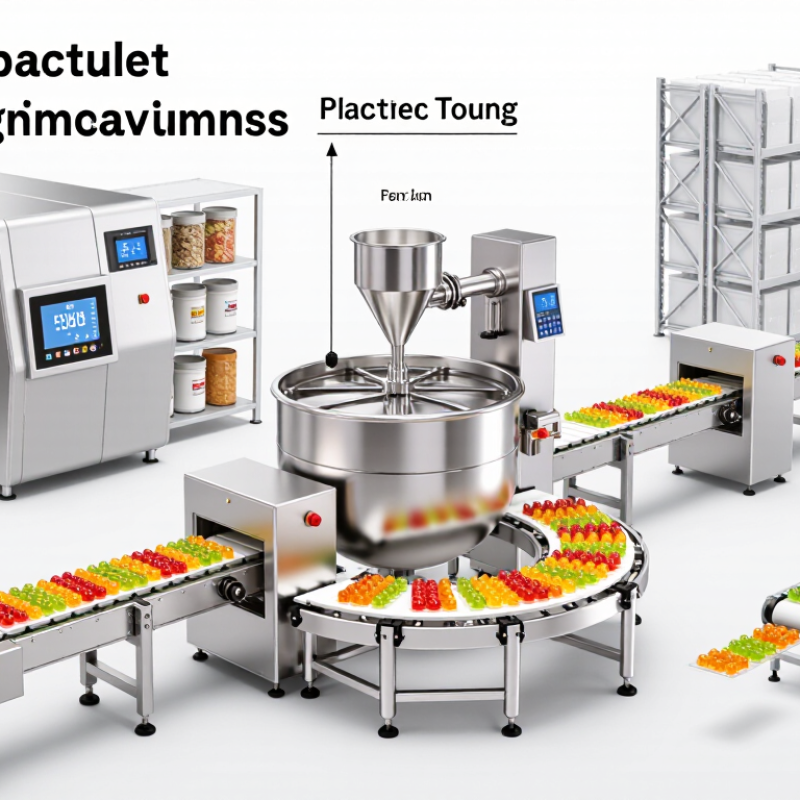
The hot mass moves quickly into depositing equipment. Each cavity receives a measured amount before cooling begins. Gummies then set in controlled rooms, where humidity and temperature affect texture. They may be dried, lightly coated, and inspected for shape, weight, surface defects, and consistency. Quality staff test pH, moisture, and microbial safety before packaging. Records support traceability from raw materials to finished cartons. The process is not flawless. A new formula may need several trials before the bite feels right. Careful contract manufacturing helps manage those adjustments with trained operators, validated procedures, and suitable production equipment.

Why Choose Pectin Gummy Contract Manufacturing?

How the pectin gummy manufacturing process works

The chart shows representative processing times used in commercial pectin gummy production. Actual settings vary with formula, batch size, pectin type, and target texture. Controlled heating, acidification, depositing, setting, and drying are critical for consistent gummies.

Key Benefits of Outsourcing Pectin Gummy Production

Why Choose Pectin Gummy Contract Manufacturing?

Key Benefits of Outsourcing Pectin Gummy Production

Outsourcing pectin gummy production can reduce equipment investment and shorten the path from recipe to finished product. Experienced manufacturers understand pectin behavior, heating curves, acidity, and moisture control. These details affect texture, stability, and consumer acceptance. A qualified facility can also manage mixing, depositing, curing, and packaging with consistent procedures. That consistency matters when every gummy must match in weight, color, and shape.

Technical support is another practical benefit. Manufacturing teams can review ingredient compatibility, sweetness, flavor balance, and serving size before production begins. They may also coordinate laboratory testing for potency, microbiological safety, allergens, and shelf-life performance. Batch records and traceability improve accountability. Clear documentation supports quality decisions and helps businesses respond to changing regulatory requirements. Small process errors can become expensive later.

Outsourcing also provides flexible production capacity. A company can test a smaller launch before committing to larger volumes. This approach may reduce storage pressure and improve cash flow. Still, outsourcing is not automatically easier. A vague product brief, delayed approvals, or poor communication can create avoidable revisions. Samples may look right but perform differently after scale-up. Regular check-ins, written specifications, and retained samples help control these risks. The best partnership combines manufacturing experience with honest review, including the parts of the formula that still need improvement.

Quality, Safety, and Regulatory Considerations

Why Choose Pectin Gummy Contract Manufacturing?

Pectin gummy contract manufacturing can improve quality control when processes are properly documented. The 2023 Council for Responsible Nutrition Consumer Survey reported that 74% of U.S. adults use dietary supplements. That level of consumer adoption increases scrutiny around identity, dosage, and labeling accuracy.

Experienced manufacturers should test incoming pectin, active ingredients, flavors, and colors before production. They should also monitor water activity, texture, weight variation, and microbial limits. A gummy may look consistent while its active content varies. That risk is easy to underestimate.

Regulatory compliance requires more than attractive packaging. In the United States, dietary supplement production must follow FDA Current Good Manufacturing Practice requirements under 21 CFR Part 111.

A reliable partner should maintain batch records, supplier qualification files, specifications, deviation reports, and finished-product test results. Independent testing can verify potency, contaminants, allergens, and microbiological safety. Certificates alone are not enough. Verify the laboratory and the method.

Pectin offers a useful gelatin-free structure, but it can behave differently across formulas. Acidity, heat, and mineral content may change firmness or shelf stability. Small pilot batches expose these problems earlier.

The uncomfortable truth is that a rushed launch can hide weak controls. Contract manufacturing is valuable only when technical review remains transparent, traceable, and willing to challenge optimistic assumptions.

How to Select the Right Pectin Gummy Manufacturer

Why Choose Pectin Gummy Contract Manufacturing?

How to Select the Right Pectin Gummy Manufacturer

Pectin gummy demand is growing with interest in plant-based formats and convenient supplementation. Grand View Research estimated the global dietary supplements market at USD 177.5 billion in 2023, with continued growth through 2030. This expansion makes manufacturer selection more important, not less. Ask whether the facility has documented GMP, HACCP, or ISO 22000 systems. Request recent audit records, not polished promises. Evidence matters.

Evaluate the manufacturer’s pectin experience, formulation control, and testing capacity. A reliable partner should explain pectin type, gel strength, cooking temperature, moisture control, and shelf-life testing in clear language. Request a certificate of analysis for each batch. Check microbial, heavy-metal, allergen, and active-ingredient results through qualified laboratories. Independent verification reduces avoidable risk. It also exposes weak processes early.

Review pilot batches before signing large production volumes. Test texture after heat exposure, shipping vibration, and several weeks in realistic storage. A gummy that feels perfect on day one may harden later. I would also inspect change-control procedures, traceability, packaging compatibility, and recall readiness. These details often receive less attention than flavor. That is a mistake. The right manufacturer should welcome difficult questions, disclose limitations, and provide realistic lead times. Some development costs may appear inconvenient, but unclear specifications usually cost more. Ask for references from comparable product categories, while remembering that one successful project cannot prove consistent performance.

Why Choose Pectin Gummy Contract Manufacturing? - How to Select the Right Pectin Gummy Manufacturer
Evaluation Dimension Recommended Benchmark or Data Point Why It Matters for Pectin Gummies What to Request from the Manufacturer
Pectin Formulation Expertise Demonstrated experience with pectin-based, gelatin-free gummy systems and acidified formulations. Pectin gummies usually require tighter control of pH, soluble solids, setting time, and drying conditions than many gelatin-based products. Request representative development records, pilot-batch results, formulation specifications, and samples made with the proposed pectin system.
Pectin Type and Functionality Use a documented food-grade pectin type selected for the target texture, acidity, sugar profile, and processing method. Different pectin systems can produce significantly different firmness, bite, set speed, and moisture tolerance. Ask for the pectin specification, source documentation, allergen statement, non-GMO statement when required, and compatibility testing with the formula.
pH Control Many acidified pectin gummy formulas operate in an acidic range, commonly around pH 3.0–3.5; the final target must be product-specific. pH influences pectin gel formation, flavor stability, preservative performance, microbial control, and consumer taste. Request batch pH records, calibrated-meter procedures, acceptable limits, corrective-action procedures, and finished-product test results.
Soluble Solids and Moisture Management Control soluble solids, moisture content, drying time, and water activity according to the approved formulation and shelf-life target. Insufficient moisture control may cause sticking, deformation, textural changes, or reduced shelf stability. Request specifications for moisture and water activity, in-process monitoring records, drying parameters, and packaging compatibility data.
Water Activity A water activity below 0.60 is commonly used as a shelf-stability reference for many low-moisture foods, but the suitable limit must be validated for the specific product. Water activity is more directly related to microbial growth potential than total moisture alone. Ask for water-activity testing using a calibrated instrument, product-specific acceptance criteria, and stability results under intended storage conditions.
Texture Consistency Define measurable targets for firmness, chewiness, elasticity, weight, dimensions, and visual appearance. Pectin can be sensitive to processing conditions, acidity, solids concentration, and cooling rate, which may affect batch-to-batch consistency. Request a product specification, texture-test method, retain-sample program, acceptable variation limits, and sample approval procedure.
Dietary and Allergen Requirements Confirm gelatin-free, vegetarian, vegan, allergen-controlled, kosher, halal, or other requirements before formula approval. Pectin is plant-derived, but other ingredients, processing aids, and shared equipment can affect the final dietary claim. Request ingredient declarations, allergen-control procedures, line-clearance records, certification documents where applicable, and cross-contact controls.
Manufacturing Standards For dietary supplements manufactured for the United States, the facility should operate under applicable dietary supplement current Good Manufacturing Practice requirements, including 21 CFR Part 111. A documented quality system supports identity, purity, strength, composition, and contaminant-control requirements. Request current certification or audit documentation, quality-manual summaries, batch-record examples, deviation procedures, and complaint-handling procedures.
Food Safety Certification Recognized systems may include HACCP-based controls, ISO 22000, FSSC 22000, or another customer- and market-appropriate food-safety program. Independent certification can provide additional evidence that hazards, sanitation, traceability, and corrective actions are systematically managed. Verify the certificate scope, issuing body, expiration date, covered site, and whether the certificate applies to gummy production.
Raw-Material Control Every critical ingredient should have an approved specification, supplier qualification process, lot traceability, and incoming verification plan. Pectin, active ingredients, colors, flavors, acids, and sweeteners can vary in potency, functionality, and regulatory status. Request certificates of analysis, supplier-approval procedures, identity-testing methods, allergen documents, and lot-traceability examples.
Active Ingredient Uniformity Establish a validated sampling and testing plan for active ingredients, especially when the gummy contains vitamins, minerals, botanicals, or probiotics. Uneven distribution can cause some units to fall outside the declared dosage even when the average batch result appears acceptable. Ask for blend-uniformity data, assay methods, sampling plans, overage rationale, and finished-product release specifications.
Microbiological Testing Use a risk-based panel appropriate for the product, ingredients, process, and destination market; common controls include total microbial counts, yeast and mold, and specified pathogens. Acidic, low-moisture gummies may have reduced microbial risk, but contamination can still occur through ingredients, personnel, equipment, or packaging. Request test methods, laboratory qualifications, acceptance limits, environmental-monitoring summaries, and finished-batch release records.
Heavy Metals and Contaminants Test according to ingredient risk and destination-market requirements, with particular attention to lead, arsenic, cadmium, mercury, pesticides, and other relevant contaminants. Botanical ingredients, minerals, colors, and agricultural raw materials may introduce contaminant risks that are not visible in the finished product. Request recent third-party laboratory reports, applicable limits, laboratory accreditation information, and a documented contaminant-control plan.
Stability and Shelf Life Conduct real-time and, where appropriate, accelerated stability studies using the intended packaging and storage conditions. Pectin texture, color, flavor, active potency, moisture migration, and microbial quality may change during storage. Request a stability protocol, test intervals, storage conditions, acceptance criteria, packaging configuration, and available shelf-life data.
Packaging Protection Select packaging that limits moisture exchange, oxygen or light exposure when relevant, and physical damage during transport. Gummies can absorb or lose moisture, stick together, soften, harden, or change color if the package barrier is inadequate. Ask for packaging-material specifications, moisture-barrier information, seal-integrity testing, compatibility studies, and transport-test results.
Pilot-Batch Capability The manufacturer should offer a documented path from laboratory sample to pilot batch and commercial-scale production. Scale-up can change heating, mixing, depositing, setting, drying, and cooling behavior, so laboratory samples alone may not predict commercial performance. Request pilot-batch capacity, scale-up criteria, process-development reports, sample retention practices, and approval checkpoints.
Minimum Order Quantity and Capacity Compare minimum order quantities, annual capacity, production lead time, and reserved capacity against the planned launch volume. A low unit cost may not be commercially useful if the minimum order creates excessive inventory or if capacity cannot support growth. Request a written quotation showing batch size, minimum order quantity, lead time, setup charges, storage fees, and capacity-planning assumptions.
Regulatory and Label Support The manufacturer should provide technical documentation that supports review of ingredients, specifications, claims, warnings, and destination-market requirements. Pectin gummies may be regulated differently depending on whether they are marketed as foods, supplements, or another product category. Request product specifications, ingredient documents, allergen statements, certificates of analysis, claim-support data, and label-review responsibilities.
Traceability and Recall Readiness Maintain traceability from finished-goods lots back to raw materials, packaging components, production records, and distribution records. Effective traceability enables faster investigation, targeted withdrawal, and regulatory response if a quality or safety issue occurs. Ask for a sample traceability report, mock-recall results, lot-coding format, retention period, and recall-communication procedure.
Total Cost of Ownership Evaluate formulation, tooling, testing, packaging, freight, storage, quality release, change control, and rework costs—not only the quoted unit price. Additional testing, special packaging, low-volume production, or repeated texture adjustments can materially affect the final cost. Request a line-item quotation, assumptions, payment terms, change-order fees, testing charges, and a clear list of included services.
Note: Benchmarks are general industry guidance. Final specifications, testing plans, claims, and acceptance limits should be validated against the approved formulation, intended shelf life, packaging system, and regulations of the target market.

FAQS

What is pectin gummy contract manufacturing?

It means hiring a qualified facility to develop and produce gummies to your specifications. The facility may handle formulation, molding, drying, testing, and packaging.

Why is pectin used in gummies?

Pectin comes from plants and creates a clean, fruit-like texture. It may suit products seeking a plant-based format. The texture is not automatically perfect.

What can affect pectin gummy texture?

Pectin reacts to pH, sugar concentration, calcium levels, and cooking temperature. Small changes may create sticky, brittle, or overly soft gummies. Texture can surprise you.

What should I request before approving a formula?

Request raw-material specifications, the pectin grade, stability data, and microbiological results. Check water activity, weight variation, and texture after storage. One fresh sample is not enough.

What are the main benefits of outsourcing production?

Outsourcing can reduce equipment costs and shorten development time. Experienced teams can manage mixing, depositing, curing, moisture, and packaging. It may also support smaller initial production volumes.

Why are pilot batches important?

Pilot batches can reveal problems hidden by laboratory samples. A gummy may look excellent before scale-up but change afterward. Test retained samples during realistic storage.

How should I evaluate a gummy manufacturer?

Ask for documented GMP, HACCP, or ISO 22000 systems. Request recent audit records and certificates of analysis. Evidence matters more than polished promises.

Which tests should be reviewed?

Review microbial, heavy-metal, allergen, and active-ingredient testing when relevant. Also check shelf-life performance, weight consistency, packaging compatibility, and traceability. Independent verification can expose weak processes.

What contract details require special attention?

Clarify ownership of the formula, testing records, and final production specifications. Review change-control procedures, lead times, retained samples, and recall readiness. Get it in writing.

Conclusion

Pectin Gummy Contract Manufacturing is a practical solution for companies seeking to develop and produce high-quality gummy supplements without building their own manufacturing facility. This approach involves working with a specialized manufacturer that manages product formulation, ingredient preparation, pectin-based gummy production, flavor and shape customization, packaging, and batch coordination. The manufacturing process generally includes recipe development, mixing, cooking, molding, cooling, coating, inspection, and final packaging.

Outsourcing production can reduce operational costs, improve efficiency, shorten development timelines, and provide access to experienced technical teams and modern equipment. However, quality and safety should remain top priorities. A reliable manufacturer should follow strict hygiene procedures, conduct ingredient and finished-product testing, maintain accurate documentation, and support applicable regulatory requirements. When selecting a partner, companies should evaluate manufacturing capabilities, quality-control systems, customization options, communication, production capacity, lead times, and transparency. Choosing the right manufacturer helps ensure consistent products, efficient development, and long-term business reliability.

Evelyn

Evelyn

Evelyn is a dedicated marketing professional with extensive knowledge of the company’s products, services, and customer-focused solutions. With a strong background in market research, content strategy, and business communication, she transforms complex product information into clear, practical, and......