Recommended Certified Formulations & Raw Materials
Explore our high-performance dietary supplements, active ingredients, and OEM/ODM custom solutions engineered to strictly comply with CE, Halal, Kosher, and cGMP benchmarks.
Halal CertifiedRaw Material
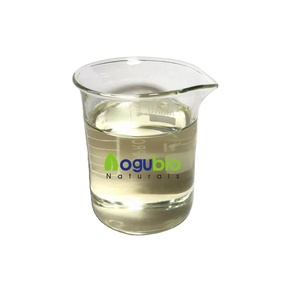
Crothix Cosmetic Raw Materials Liquid Thickeners
High-efficiency polyoxyethylene propylene glycol dioleate thickeners ideal for personal care, dietary syrup binding, and liquid formulation stabilization.
CE & Halal Certification: Deconstructing Global Compliance Benchmarks
In the highly regulated global nutraceutical, cosmetic, and pharmaceutical raw material sectors, securing robust verification through CE Certification and Halal Certification is no longer just a marketing advantage—it is an absolute operational mandate for international trade. Commercial buyers, brand managers, and institutional procurement networks face mounting regulatory scrutiny from entities like the US FDA, European Medicines Agency (EMA), and GCC Standardization Organization (GSO). Demonstrating verifiable proof of compliance ensures supply chain continuity, eliminates customs impoundment risks, and establishes instant trust with end consumers.
Defining Information Gain in Certified Sourcing
Unlike standard brokers, accredited CDMOs (Contract Development and Manufacturing Organizations) enforce strict physical, chemical, and ethical isolation protocols. This guarantees zero cross-contamination between non-Halal animal derivatives and certified botanical or synthetic matrix lines.
1. The Technical Anatomy of Halal Supply Chain Integrity
Halal manufacturing extends far beyond raw material selection; it encompasses an end-to-end operational philosophy spanning raw material provenance, processing aids, cleaning validation protocols, and storage logistics. When selecting a certified manufacturer, procurement teams must evaluate key technical operational metrics:
Ethical Sourcing & Traceability: All active botanical powders, gelatin alternatives (such as high-methoxyl pectin or HPMC), and lipid carriers must be certified back to their primary origin with unbroken batch audit trails.
Clean-in-Place (CIP) Validation: Automated CIP systems utilizing ethanol-free, non-pig hydro-sanitizing agents ensure that batch-to-batch transitions leave zero residual trace elements or non-compliant compounds.
Enzymatic & Substrate Control: Fermentation processes (such as those used for amino acids, hyaluronic acid, or bio-identical nutrients) must strictly employ synthetic or plant-derived growth substrates free from porcine enzymes or non-certified tallow derivatives.
2. CE Marking in Fine Chemicals, Raw Materials, and Manufacturing Equipment
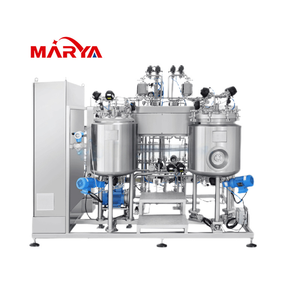
The Conformité Européenne (CE) mark signifies that equipment, processing machinery, and specific health-related products meet essential European Union health, safety, and environmental protection requirements. For global B2B procurement partners, dealing with CE-certified equipment manufacturers ensures:
Direct compliance with Machinery Directive 2006/42/EC and Electromagnetic Compatibility (EMC) Directive 2014/30/EU.
Enhanced operational safety within cleanroom environments, reducing downtime caused by electrical or mechanical failures.
Standardized automated batch dosing precision, critical for active botanical recoveries and delicate raw material blending.
PAG Pharmatech Enterprise Infrastructure: USA, EU, and Asia Operations
PAG Pharmatech America LLC operates as a premier full-service CDMO engineered to eliminate traditional friction points in contract manufacturing. Headquartered in Springville, Utah, our 21 CFR Part 111 & Part 117 FDA-registered facility operates under strict cGMP standards and holds SQF Edition 9 certification (audited by SGS). By combining domestic agility with our global infrastructure in the Netherlands and Shenzhen, we empower emerging DTC brands and established enterprise retailers to launch market-ready products in as little as 90 days.
Triple-Continent Network
Utah plant for zero-tariff US market speed; EU-GMP Netherlands site for European distribution; Shenzhen site for raw material sourcing & scale.
Six Core Dosage Forms
Complete in-house capability for Gummies, Powders/Stick Packs, Compressed & Chewable Tablets, Softgels, Hard Capsules, and Pet Nutrition.
Rigorous Analytical Testing
Every production batch includes full Certificate of Analysis (CoA) testing via HPLC, ICP-MS, and microbiological screening under strict QA sign-off.
Future Procurement & Industry Growth Trends (2025–2030)
As the global dietary supplement market scales toward an estimated $300+ Billion valuation by 2030, procurement executives must align with shifting consumer dynamics and heightened regulatory expectations. Key trends reshaping certified manufacturing include:
1. The Surge in Global Halal-Conscious Clean-Label Products
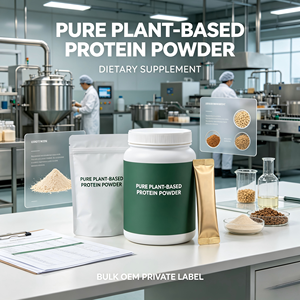
Halal-certified products are no longer restricted to traditional Islamic markets in the Middle East and Southeast Asia. Non-Muslim consumers increasingly recognize Halal manufacturing as a benchmark for hyper-hygienic production, raw material purity, and ethical handling. Consequently, global demand for Pectin-based functional gummies, HPMC vegetable capsules, and certified plant proteins is growing at a 9.2% CAGR.
2. Bio-Fermentation and Synthetic Biology Active Ingredients
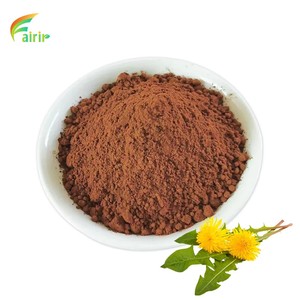
Traditional extraction techniques are giving way to precision bio-fermentation. Active botanical compounds—such as specialized flavonoids, polyphenols, and chlorophyll derivatives—are increasingly synthesized via closed-loop fermenters. This yields unprecedented chemical purity, guarantees zero seasonal supply disruption, and ensures 100% Halal compliance without animal tissue contact.
Transparency is migrating from physical paper certificates to digital cryptographic ledgers. Institutional retail buyers (such as Amazon, Target, and European pharmacy chains) now demand direct digital integration of batch analytical records, CE compliance documentation, and Halal audit certificates right at the port of entry.
Frequently Asked Questions (FAQ) for Procurement Managers
Essential technical, quality, and commercial insights for sourcing CE and Halal certified products.
Q:
What specific audit steps ensure Halal integrity during contract manufacturing?
Our facilities implement strict raw material quarantine protocols. Every ingredient entering the plant undergoes raw material qualification to verify that no alcohol residues, animal byproducts, or non-certified processing aids are used. Equipment undergoes validated Clean-in-Place (CIP) procedures between production shifts, and certified independent Halal auditors conduct routine facility inspections.
Q:
How does CE certification apply to raw material suppliers and OEM contract manufacturing?
CE certification applies primarily to manufacturing equipment, diagnostic devices, and specialized packaging systems used throughout our processing suites. This guarantees that product compounding, encapsulation, and primary sealing are executed using European safety-standard Machinery Directives, eliminating mechanical micro-contaminants and ensuring consistent unit dosage weight tolerances.
Q:
What are the minimum order quantities (MOQ) for custom private label formulations?
We offer accessible entry MOQs designed for scaling brands: 6,000 units for functional gummies, 5,000 units for compressed tablets, softgels, and hard capsules, 300 kg for custom powder blends, and 2,000 units for pet nutrition soft chews. High-volume enterprise runs are fully supported across our international multi-site footprint.
Q:
Can you manufacture vegan-friendly, gelatin-free softgels and gummies?
Yes. We specialize in non-GMO citrus/apple pectin gummy matrix systems that deliver thermal stability up to 40°C without melting. For softgels, we offer advanced tapioca starch and carrageenan/pectin shell alternatives to traditional bovine gelatin, ensuring 100% plant-based, Halal, and Kosher compatibility.
Q:
What batch documentation is provided prior to product dispatch?
Every production batch is released alongside a comprehensive compliance dossier containing the Master Batch Record (MBR), finished product Certificate of Analysis (covering active potency, heavy metals, microbial limits, and pesticide screens), stability data summary, Allergen Statement, and copies of facility Halal/GMP certificates.
Q:
What is the standard turnaround time from formulation approval to shipping?
Private label orders using ready-to-market base formulas ship within 8 to 10 weeks. Fully custom turnkey projects—including R&D sample benchwork, flavor optimization, accelerated stability testing, and packaging design approval—are completed within our streamlined 90-day target timeline.
Partner with a Certified Global CDMO Leader
Ready to engineer your next high-performance product line with guaranteed CE, Halal, and cGMP compliance? Speak directly with our technical formulation engineers today.
 Supplement