Liquid Packaging
Direct factory supply featuring cleanroom contract filling, high-barrier pouching, bottling, and specialized dosage packaging produced under FDA, cGMP, and SQF Edition 9 compliance.
Liquid Packaging
Automated CDMO
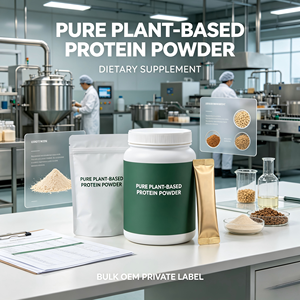
Powder Pouching
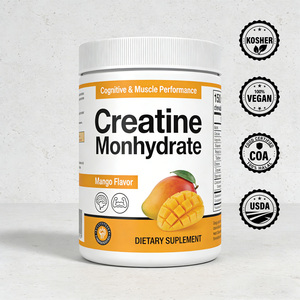
Stick Packs & Tubs
Chemical Packaging
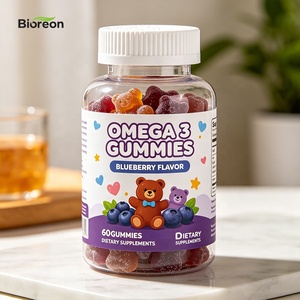
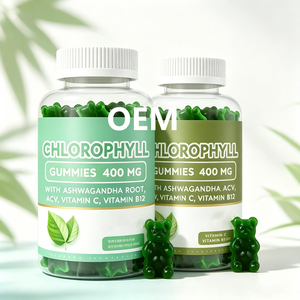
Gummy Bottling
Blister & Pouch
Private Label
In the globalized supply chain landscape of 2025, transitioning from traditional OEM component sourcing to an integrated Contract Development and Manufacturing Organization (CDMO) model represents the definitive benchmark for brand profitability and compliance risk mitigation. Sourcing contract packaging from specialized hubs in China provides brand owners, enterprise buyers, and Amazon FBA operators with unmatched cost efficiencies, high-speed automated throughput, and superior barrier-film materials engineered for extended shelf stability.
Key Takeaway for Sourcing Directors: Contract packaging is no longer merely an aesthetic housing. Modern pharmaceutical and nutraceutical packaging acts as an active stability barrier, controlling Moisture Vapor Transmission Rates (MVTR) and Oxygen Transmission Rates (OTR) while ensuring 100% regulatory compliance across US FDA 21 CFR Part 111/117 and EU PPWR standards.
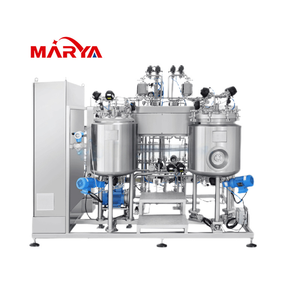
A premier contract packaging facility operates far beyond basic manual assembly lines. Manufacturing infrastructures must feature Class 100,000 (ISO Class 8) cleanrooms equipped with positive pressure HVAC systems, HEPA filtration, and strict relative humidity (RH) control zones calibrated under 40% RH for moisture-sensitive hygroscopic powders, effervescent tablets, and pectin-based gummies.
The primary and secondary packaging lifecycle encompasses four critical technical phases:
Strategic analysis of shifts in material science, international environmental mandates, and digital supply chain integration for enterprise B2B purchasers.
With the European Union enforcing strict Packaging and Packaging Waste Regulations (PPWR) and US states implementing Extended Producer Responsibility (EPR) laws, procurement is shifting toward post-consumer recycled (PCR) resins, bio-PE, and home-compostable barrier laminates without sacrificing barrier integrity.
Anti-counterfeiting protocols demand 2D DataMatrix codes and RFID tags integrated directly into secondary packaging lines. Brand owners gain real-time track-and-trace monitoring, preventing gray-market diversion and automating retail onboarding compliance.
DTC and marketplace brands require rapid launch schedules to capitalize on emerging health and consumer trends. Leading contract manufacturers are standardizing pre-validated base formulas and packaging dies, compressing launch timelines from 6 months down to 90 days.
To hedge against geopolitics, tariffs, and maritime freight bottlenecks, global enterprises adopt a integrated CDMO network: leveraging China hubs for primary high-volume sourcing/packaging, alongside domestic plants (such as US FDA-registered facilities in Utah or EU-GMP sites in the Netherlands) for localized final assembly.
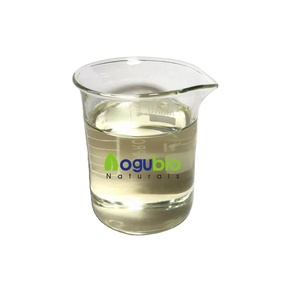
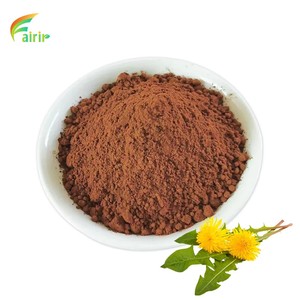
Novel delivery vehicles—such as liquid thickeners, botanical extracts, liposomal liquids, and high-potency gummy nutriments—demand automated micro-dispensing pumps accurate to within ±0.1%, eliminating active ingredient degradation during high-speed packaging runs.
| Strategic Evaluation Metric | In-House Packaging Operation | Wholesale CDMO Packaging Partner |
|---|---|---|
| Capital Expenditure (CapEx) | High ($2M–$10M for cleanrooms & automated machinery) | Zero CapEx (Pay-per-unit commercial scale) |
| Time-to-Market Cadence | 180 to 270 Days (Setup, commissioning, validation) | 60 to 90 Days (Pre-validated packaging lines) |
| Regulatory & Quality Audit Overhead | Full internal burden (FDA, SQF, ISO, OSHA audits) | Shared Compliance Risk (Pre-certified ISO/cGMP sites) |
| Raw Material Sourcing Leverage | Limited to individual purchasing volume | Global Bulk Discounts (Direct-from-factory pricing) |
| Packaging Format Versatility | Fixed lines (High cost for format changeovers) | 6+ Dosage Platforms (Bottles, Stick Packs, Pouches, Blisters) |
Combining 30 years of CDMO heritage with automated Class 100,000 cleanrooms and multi-regional manufacturing redundancy.
Facilities maintain strict operating protocols under 21 CFR Part 111 (Dietary Supplements) and Part 117 (Human Food Controls), backed by annual third-party audits from SGS for SQF Edition 9 compliance.
Our unified engineering workflow seamlessly transitions your concept from initial formulation, benchtop prototyping, and stability testing directly into automated production and commercial packaging release.
Leverage high-volume supply and raw material sourcing out of Shenzhen, combined with domestic production in Springville, Utah and EU-GMP capabilities in the Netherlands to eliminate global tariff and lead-time risks.
Connect directly with our senior packaging engineers and procurement specialists to receive custom die-lines, minimum order volume quotes, and analytical stability support.
Get CatalogIn-depth technical answers addressing common procurement, regulatory, and contract packaging logistics questions.
Our minimum order quantities are structured to support both emerging DTC brand launches and enterprise-scale rollouts. Standard MOQs are set at 6,000 bottles/units for gummies, 5,000 units for tablets, softgels, and hard capsules, and 300 kg for powder blending, stick packs, and bulk pouching. Pet nutrition formats start at 300 kg for powders or 2,000 units for soft chews. Lower trial runs can be requested during initial formulation engineering.
Every packaging design undergoes strict testing for Moisture Vapor Transmission Rate (MVTR) and Oxygen Transmission Rate (OTR) in accordance with ASTM standards. For sensitive active ingredients (such as probiotic powders, high-potency vitamin C, or hygroscopic botanical extracts), we implement nitrogen gas flushing during form-fill-seal filling to maintain residual oxygen levels below 1.0%, paired with induction heat-sealed foil liners and desiccants within HDPE or PET containers.
Every commercial production run is released with a comprehensive batch documentation package. This includes an official Certificate of Analysis (CoA) covering active ingredient assay potency, heavy metals (ICP-MS), microbiology screening, physical characteristics, and residual solvent analysis. Facilities maintain FDA registration (21 CFR Parts 111 & 117), SQF Edition 9 certification, cGMP compliance, and offer Halal, Kosher, and USDA Organic handling documentation under NDA during supplier qualification.
Yes. Our automated pouching and stick pack machinery is retrofitted with precision digital temperature and sealing pressure controls specifically calibrated for modern mono-material recyclable films (such as PE/PE laminates) and industrially compostable bio-resins (PLA/PBAT blends). We conduct pre-production thermal sealing trials to guarantee seal strength without compromising line speeds.
For existing private label formulations utilizing pre-validated packaging components, lead time is typically 8 to 10 weeks. Fully custom OEM formulations—which involve custom flavor chemistry, benchtop prototyping, pilot scale-up, accelerated stability testing (ICH guidelines), and custom label die-cutting—require approximately 12 to 16 weeks, delivering a market-ready product inside our standard 90-day execution protocol.
Our global operational network allows clients to balance high-volume raw material sourcing and low-cost packaging manufacturing out of our Shenzhen hub, while offering option-value secondary assembly or domestic manufacturing inside our FDA-registered Springville, Utah plant or EU-GMP facility in the Netherlands. This "tri-node" infrastructure enables seamless technology transfer between continents without switching your primary CDMO vendor.