Whitepaper: The Technical Architecture of Kosher Certified Custom OEM Manufacturing
In today's highly competitive global nutraceutical and specialized industrial supply markets, securing a reliable Custom OEM Kosher Certified Factory & Supplier is no longer merely a niche requirement—it is a core strategy for market expansion, clean-label compliance, and risk mitigation. The demand for Kosher-certified products extends far beyond traditional religious demographics; over 62% of Kosher product consumers purchase these items for perceived purity, transparent manufacturing practices, allergen management, and stringent quality oversight.
SEO Search Intent & Information Gain Key Insight: Kosher certification serves as a universal proxy for operational transparency and cross-contamination control. A true Contract Development and Manufacturing Organization (CDMO) must integrate Rabbinical Kashrut standards directly into its Hazard Analysis Critical Control Point (HACCP) and 21 CFR Part 111 cGMP quality management systems.
1. Technical Framework of Kosher Certification in Supplement OEM/ODM
Achieving and maintaining Kosher certification within a multi-dosage contract manufacturing facility requires sophisticated engineering, ingredient traceability, and operational isolation. The Kashrut auditing framework categorizes production line integrity into three distinct layers:
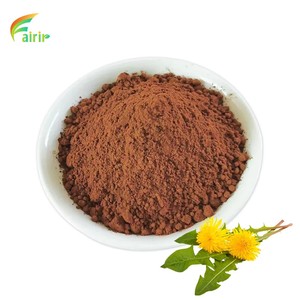
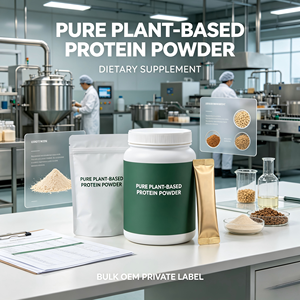
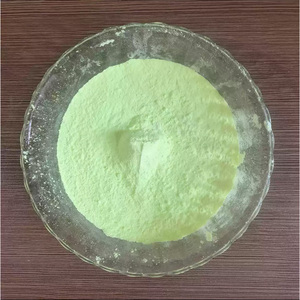
- Raw Material Traceability & Vetting: Every raw botanical extract, active pharmaceutical ingredient (API), excipient, processing aid, and capsule shell must undergo strict Kosher verification. Ingredients like plant-based protein powders, dandelion extracts, and chlorophyll must be traceably sourced to ensure zero exposure to non-Kosher processing chemicals or animal-derived carriers.
- Equipment Kosherization (Kashering): Manufacturing lines that process diverse dosage forms—such as gummies, compressed tablets, and softgels—must undergo standardized high-temperature sanitation, hot-water flushes, or steam purge protocols under direct Rabbinical supervision before switching between product categories.
- Pareve vs. Dairy vs. Meat Matrix Segregation: Strict operational boundaries prevent cross-contact between Pareve (neutral) formulations and Dairy or Meat derivatives. For instance, vegan pectin gummies and botanical extract powders are processed on dedicated Pareve lines to preserve universal dietary compatibility.
| Kosher Classification | Allowed Raw Materials | Facility Requirements | Consumer Intent Match |
|---|---|---|---|
| Kosher Pareve | Botanicals, plant proteins, synthetic vitamins, minerals, pure pectin | Dedicated non-dairy, non-meat lines; neutral cleanroom suites | Vegan, Vegetarian, Lactose-Free, Clean Label, Halal Compatible |
| Kosher Dairy (D) | Whey derivatives, milk calcium, dairy-derived probiotics | Segregated blending and filling lines; distinct cleaning validation | Sports Nutrition, Traditional Dairy Supplementation |
| Kosher Passover (P) | Grain-free botanicals, non-fermented active compounds | Specialized holiday audit; elimination of Chametz (fermented grains) | Strict Passover Compliance, Ultra-Pure Gluten-Free Markets |
Future Procurement Trends in Kosher OEM Supplement Manufacturing
As the B2B procurement landscape evolves, brand owners, sourcing directors, and enterprise buyers are shifting away from transactional brokers in favor of integrated CDMO partners. Key procurement trends shaping the 2026–2030 horizon include:
1. Clean-Label and Vegan-Driven Kosher Convergence
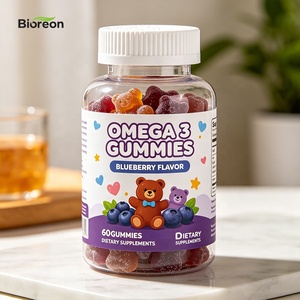
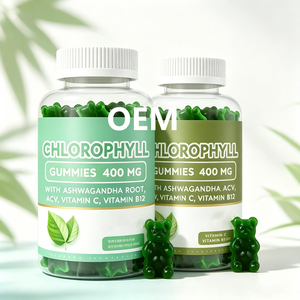
The global shift toward plant-based living has created a massive overlap between Vegan, Non-GMO, Clean-Label, and Kosher Pareve certifications. Buyers now demand active formulations—such as Natural Nutrient Omega 3 Gummies or Chlorophyll Gummies—that eliminate gelatin in favor of high-purity citrus or apple pectin while retaining strict Kosher Pareve validation.
2. Supply Chain De-Risking via Multi-Regional Manufacturing
Geopolitical friction and global freight volatility have made single-source reliance hazardous. Advanced procurement leaders are prioritizing suppliers with a Global Integrated System—leveraging domestic US plants (e.g., Springville, Utah) for fast 90-day market launch and tariff-free fulfillment, supported by EU-GMP sites in Europe and raw material sourcing hubs in Asia.
3. Low MOQ Flexibility for Rapid Marketplace Validation
Modern DTC and Amazon brand scaling strategies demand iterative testing. Modern OEM factories must accommodate low initial Minimum Order Quantities (starting at 5,000–6,000 units) to allow brands to run real-world market trials before committing to high-volume 100k+ unit production runs.
Industry & Product Development Trends in Custom Formulation
Manufacturing innovation is changing how active ingredients are delivered to consumers. Our R&D division tracks several prominent formulation shifts:
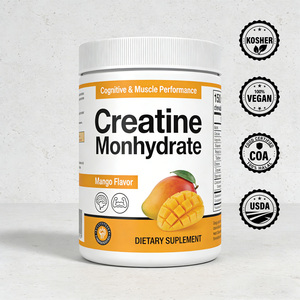
- Sugar-Free Pectin Gummy Matrices: Transitioning from sugar-laden bases to maltitol, erythritol, or tapioca-based sugar-free gummies with high active loading (e.g., Omega-3, Chlorophyll, and Creatine Chews) without compromising chew texture or Kosher stability.
- Microencapsulation of Sensitive Botanicals: Utilizing advanced lipid coacervation and beadlet tech to mask bitter botanical powders (such as 10:1 Dandelion Extract or concentrated Chlorophyll) while protecting active phytonutrients from oxidative degradation.
- Effervescent and Chewable Tablet Innovations: Expanding traditional compressed tablets into fast-dissolving chewable and effervescent formats engineered for rapid bio-accessibility and enhanced consumer compliance.
Analytical Quality Control & Regulatory Verification Matrix
Quality assurance in a custom OEM factory goes beyond sensory approval. Every production batch follows a rigorous analytical protocol:
| Testing Stage | Analytical Parameter | Methodology / Instrumentation | Regulatory Standard |
|---|---|---|---|
| Raw Material Intake | Species Identity, Heavy Metals, Pesticide Screen | FTIR, HPLC, ICP-MS (Lead, Arsenic, Cadmium, Mercury) | USP <2232>, 21 CFR 111.75 |
| In-Process Blending | Uniformity of Blend, Moisture Content, Density | Near-Infrared (NIR) Spectroscopy, Loss on Drying | cGMP Process Validation Protocol |
| Finished Product Release | Active Potency, Disintegration, Microorganism Count | HPLC/UV, Disintegration Apparatus, Micro Plating (USP <2021>) | SQF Ed. 9, Kosher Audit Specification |