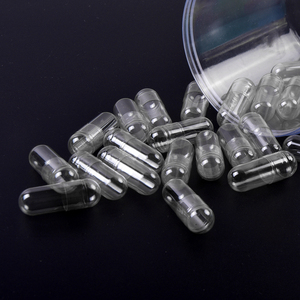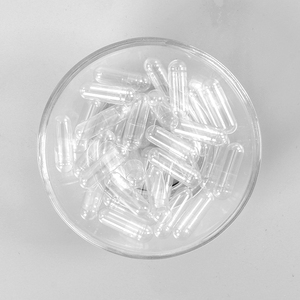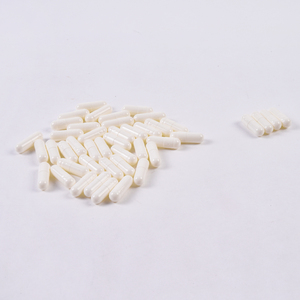
Engineered for seamless runnability on high-speed automatic filling machines (Bosch, Zanasi, IMA). Non-GMO, Halal Certified, Kosher Certified, and compliant with Turkish Food Codex regulations.
In-depth breakdown of consumer intent, regulatory frameworks, and technical superiority of HPMC (Hydroxypropyl Methylcellulose) over traditional animal gelatin in the Turkish region.
Turkey’s geographic position as a cross-continental manufacturing hub connecting Europe, the Middle East, and Central Asia has driven rapid expansion in contract manufacturing (CDMO) for dietary supplements. Major pharmaceutical industrial centers in Istanbul, Kocaeli (Gebze Organized Industrial Zone), Izmir, and Ankara are rapidly transitioning production lines from animal gelatin to plant-derived Hydroxypropyl Methylcellulose (HPMC) capsules to meet domestic demand and export regulations for surrounding MENA and EU territories.
Consumer preferences in Turkey are heavily anchored in strict Halal compliance alongside rising vegan and clean-label lifestyle trends. Traditional bovine gelatin capsule shells frequently face scrutiny regarding cross-contamination risks or non-compliant slaughtering methods. HPMC vegetable capsules provide absolute religious and ethical certainty—being 100% plant-origin, free of animal enzymes, certified Halal by GİMDES, JAKIM, and international standards, and completely free of allergen concerns.
Why Turkish supplement brand owners and OEM manufacturers are replacing gelatin shells with low-moisture HPMC polymers.
| Technical Parameter | HPMC Vegetable Capsules | Bovine / Porcine Gelatin Capsules | Operational Benefit for Turkish OEMs |
|---|---|---|---|
| Raw Material Source | Plant Cellulose (Wood / Cotton Fiber) | Animal Connective Tissue / Hydrolyzed Collagen | Zero religious risk; 100% Halal & Vegan compliance. |
| Moisture Content Range | 4.5% - 7.0% (Low Moisture) | 13.0% - 16.0% (High Moisture) | Prevents moisture transfer to sensitive dry extracts. |
| Cross-Linking Risk | Zero Risk (Chemically Inert) | High Risk (Aldehydes cause insoluble shell) | Guarantees stable dissolution rates over long shelf life. |
| Climatic Stability Range | Stable at 10% - 80% RH | Brittle below 35% RH; Sticky above 60% RH | Ideal for Mediterranean & Anatolian seasonal extremes. |
| Filling Machine Loss Rate | < 0.01% (High Tensile Strength) | 0.05% - 0.20% (Prone to crushing under heat) | Maximizes throughput on automatic filling lines. |
| Titanium Dioxide Options | Available TiO2-Free / Natural Pigments | Standard TiO2 Opacifiers | Full compliance with EU E171 ban for export goods. |
From Anatolian botanical extracts to pharmaceutical-grade formulations, our vegetable capsule shells deliver optimal stability across diverse active ingredients.
Turkey is renowned for rich endemic flora and herbal nutraceutical production, including Black Seed (Nigella Sativa) oil powders, Olive Leaf extract (Oleuropein), and Anatolian Propolis extracts. These active ingredients are inherently hygroscopic or contain volatile essential oils. Our low-moisture HPMC shells prevent moisture migration from the capsule shell into the powder bed, eliminating clumping, shell embrittlement, or degradation of active bioactive markers.
The Turkish wellness market has seen an unprecedented surge in digestive health products and synbiotic supplements. Live probiotic strains (Lactobacillus, Bifidobacterium) are extremely heat and moisture sensitive. Traditional gelatin capsules release bound water into the powder cavity, rapidly reducing CFU counts during warehouse storage in humid port cities like Mersin or Izmir. HPMC vegetable capsules act as an inert moisture barrier, extending probiotic potency up to 24 months.
Contract manufacturers operating within Turkish Free Zones (such as Ege Free Zone or Istanbul Trakya Free Zone) synthesize finished dosage supplements intended for export to Germany, France, Saudi Arabia, and the UAE. Utilizing our EU-GMP and US FDA-compliant HPMC capsule shells ensures zero regulatory friction regarding E171 (Titanium Dioxide) restrictions, bovine BSE/TSE clearance certificates, or Halal standard harmonization across international customs checkpoints.
Modern pharmaceutical plants in Kocaeli and Istanbul run high-speed automatic capsule fillers operating at output rates exceeding 100,000 capsules per hour. Inconsistent shell wall thickness or dimensional distortion leads to machine jamming and costly production downtime. Our vegetable capsules undergo 100% laser inspection for precise dimensional tolerances (cap diameter, body length, lock ring depth), achieving a continuous runnability yield rate of over 99.97%.
High-dose Amino Acids (BCAAs, Creatine), Vitamin C (Ascorbic Acid), and mineral chelates (Magnesium Glycinate) can react negatively with animal proteins in gelatin, causing discoloration or shell hardening over time. HPMC polymers are chemically non-reactive, ensuring that aggressive acidic or alkaline nutritional premixes retain their exact potency, color integrity, and dissolution properties in human gastric fluids.
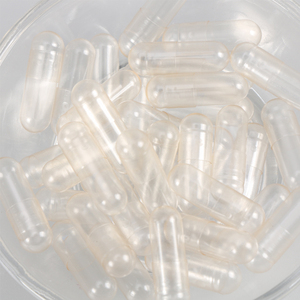
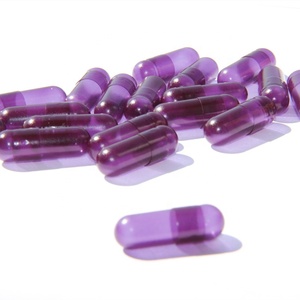
Modern consumers in urban centers such as Ankara, Izmir, and Istanbul scrutinize ingredient labels for artificial additives. By specifying clear, colorant-free or naturally pigmented HPMC vegetable capsules (using chlorophyll or purple carrot concentrate), brand managers can prominently showcase "100% Plant-Based," "Preservative-Free," and "Non-GMO" marketing claims directly on their retail packaging panels.
Key regulatory, consumer, and technological trends dictating the future of empty capsule procurement across the Republic of Turkey.
Following the European Food Safety Authority (EFSA) ban on Titanium Dioxide as a food additive, the Ministry of Agriculture and Forestry in Turkey (*T.C. Tarım ve Orman Bakanlığı*) has updated guidelines encouraging clean opacity solutions. We supply Turkish manufacturers with Titanium-Free opaque HPMC capsules utilizing Calcium Carbonate or Zinc Oxide opacifiers, allowing brands to maintain visual elegance without compromising compliance in export markets.
Standard hard capsules dissolve in stomach acid within 10 to 15 minutes. However, targeted delivery for intestinal absorption (such as Live Probiotics, SAM-e, or Acid-Sensitive Enzymes) requires acid-resistant protection. Our specialized Enteric HPMC Vegetable Capsules resist stomach acid without requiring chemical film-coating steps, allowing Turkish pharmaceutical labs to streamline their manufacturing flow while maintaining gastric protection.
Turkish brand owners targeting European retail shelves are under increasing pressure to demonstrate ESG compliance. Plant-cellulose sourcing for our HPMC capsules utilizes sustainably managed forestry operations (FSC Certified wood pulp). Furthermore, our global CDMO infrastructure eliminates excessive logistical waste by offering localized warehouse stocking solutions across regional hubs.
Counterfeiting protection and brand identity are top priorities for high-value nutraceutical products in Turkey. We offer full axial and radial custom printing utilizing food-grade, Halal inks. Brands can print logo graphics, dosages, or brand names directly onto cap and body shells in 360-degree high definition, creating an immediate barrier against counterfeit duplication.
Leveraging over 30 years of global capsule manufacturing heritage, advanced Cleanroom suites, and strict quality control standards to empower Turkish pharmaceutical and dietary supplement enterprises.
Manufactured in state-of-the-art facilities operating under 21 CFR Part 111 (Dietary Supplements cGMP) and 21 CFR Part 117 (Preventive Controls for Human Food). Controlled environments feature Class 100,000 (ISO 8) HEPA-filtered HVAC systems ensuring complete environmental purity.
Every single production batch undergoes rigorous analytical testing for wall thickness uniformity, moisture equilibrium, heavy metals (Lead, Arsenic, Cadmium, Mercury), microbial counts, and E. Coli / Salmonella absence. Certificate of Analysis (CoA) accompanies every shipment.
With primary production base in Springville, Utah (USA), European facilities in the Netherlands, and scale sourcing hubs in Shenzhen, our integrated global footprint guarantees supply chain redundancy, insulating Turkish manufacturers from raw material shortages or geopolitical shipping delays.
Answers to common technical, regulatory, and procurement questions raised by Turkish sourcing agents, pharmaceutical engineers, and brand managers.
Importing empty vegetable capsule shells into Turkey requires compliance with the Ministry of Agriculture and Forestry (*T.C. Tarım ve Orman Bakanlığı*) for food supplement components or the Ministry of Health (*T.C. Sağlık Bakanlığı*) for pharmaceutical grade materials. We supply a comprehensive documentation package under NDA including Certificate of Analysis (CoA), Halal Certification, Non-GMO Statement, BSE/TSE-Free Certificate, Heavy Metal Testing Reports, and Flowcharts to ensure smooth customs clearance through major Turkish ports (Ambarlı, Mersin, Izmir, Gebze).
For standard clear or natural opaque HPMC capsules in sizes 00, 0, and 1, our entry-level MOQs start at 1 full carton (typically 100,000 to 125,000 pieces depending on capsule size). For custom color matching, pantone formulation, or custom axial printing, MOQs start at 3 million pieces. These accessible tiers allow both emerging Turkish DTC brands and large pharmaceutical contract plants to scale efficiently.
Turkey experiences diverse climatic extremes—ranging from hot, humid coastal summers in Antalya and Izmir to dry, cold winter conditions in Central Anatolia. HPMC capsules possess a low equilibrium moisture content (4.5% to 6.5%) compared to gelatin’s 13% to 16%. Consequently, HPMC shells will not become brittle in dry Anatolian winters nor become sticky or deform during humid coastal transit, ensuring superior shelf stability.
Yes. Our vegetable capsule shells carry international Halal accreditation issued by certified bodies that strictly align with SMIIC (Standards and Metrology Institute for Islamic Countries) protocols, which are fully recognized across Turkey, the GCC region, and Southeast Asia. Zero porcine, bovine, or animal-derived processing aids are used anywhere in our dipping or drying lines.
All capsule cartons are lined with heavy-duty anti-static food-grade plastic bags, vacuum-sealed with desiccant packs, and enclosed inside heavy-duty 5-ply corrugated outer boxes. For maritime container shipments into Turkey, temperature-controlled reefer containers or heat-shield thermal insulation liners are deployed to keep internal ambient temperatures between 15°C and 25°C with 35% to 65% Relative Humidity.
Yes, we offer both Pre-Locked (Joined) capsules and Separated capsules. Separated capsules (where caps and bodies are packed in dedicated separate bags within the same carton) significantly speed up loading cycles on specific high-capacity automatic filling machines, reducing setup time and boosting overall production yield for Turkish contract manufacturers.
Partner with a globally recognized CDMO leader. Receive comprehensive technical specifications, CoA documentation, pricing sheets, and custom sample cartons shipped directly to your facility in Turkey within 3 to 5 business days.
Inquire Now